The Honey Badger is one of Africa’s most fascinating and fearless animals. Despite its relatively small size, the honey badger has earned a global reputation for its toughness, intelligence, and aggressive defense behavior. Often called “the most fearless animal in the world,” the honey badger is a true symbol of resilience and survival in the wild.
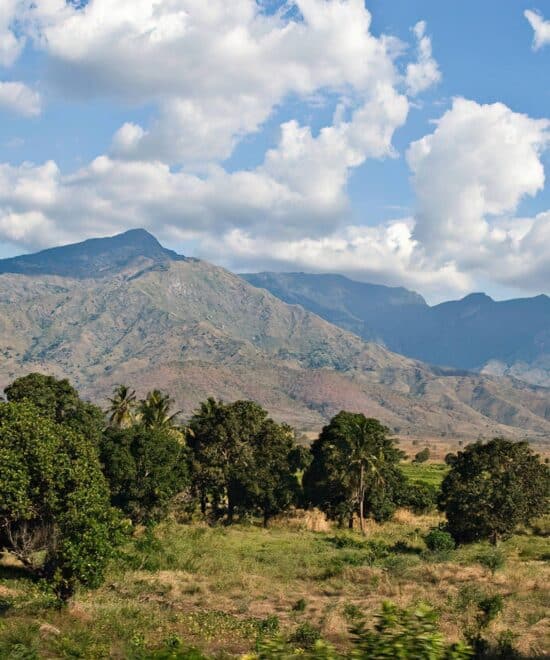
This species is widely distributed across sub-Saharan Africa, as well as parts of the Middle East and Asia. In Tanzania, the honey badger can be found in several regions, particularly within protected wildlife areas where human disturbance is minimal. Its wide distribution clearly shows how adaptable and resilient the honey badger is in different environmental conditions.
In Tanzania, some of the best places to find the honey badger include Serengeti National Park, Tarangire National Park, and the Ngorongoro Conservation Area. These iconic safari destinations offer suitable habitats such as open plains, bushlands, and woodland areas where the honey badger can hunt and dig for food.
The honey badger thrives in a variety of habitats including savannas, grasslands, forests, and even semi-desert regions. It prefers areas with loose soil that allows it to dig burrows easily, either for shelter or while searching for prey. This ability to survive in such diverse environments makes the honey badger one of the most adaptable mammals in the animal kingdom.
Although the honey badger is widespread, it is not commonly seen because it is mostly nocturnal and highly secretive. It spends much of its time alone, moving quietly through its territory in search of food. This elusive behavior makes honey badger sightings during safaris quite rare and exciting.
For travelers on an African safari, spotting a honey badger is a truly unforgettable experience. Its bold personality, unpredictable movements, and fearless nature make the honey badger one of the most thrilling animals to encounter in the wild, leaving visitors with lasting memories of Africa’s untamed beauty.
Physical Characteristics
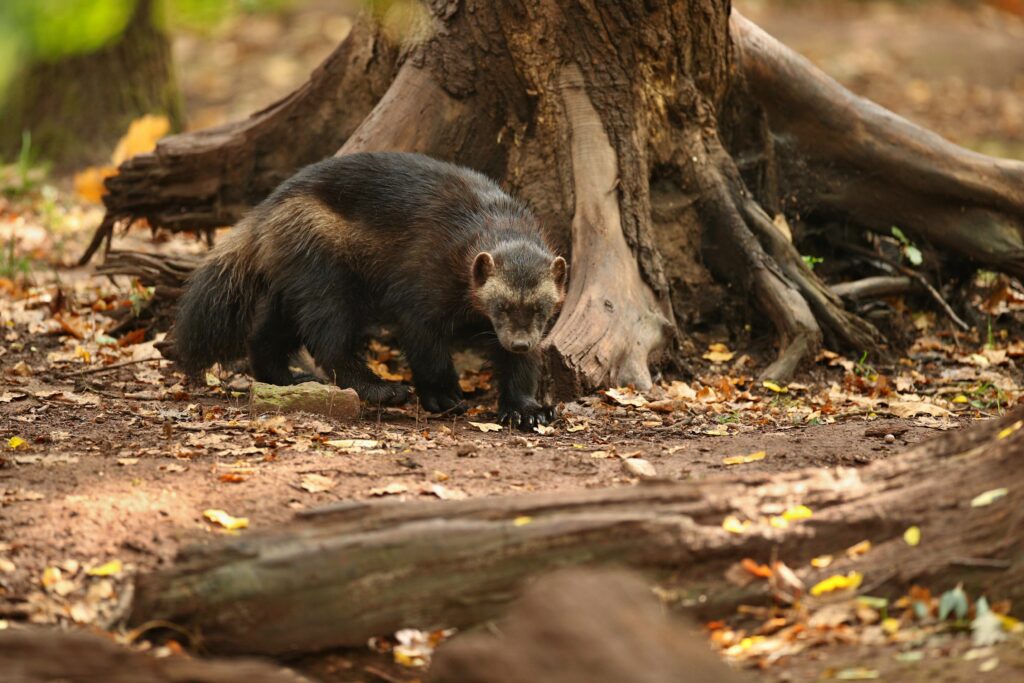
The Honey Badger has a compact yet extremely muscular body that is perfectly adapted for survival in harsh African environments. Its unique physical structure makes it one of the most recognizable and resilient mammals in the wild.
- Size: Typically weighs between 9–16 kg. Despite its small size, it is incredibly strong for its body weight and can take on much larger predators when threatened.
- Body Structure: Low to the ground with short but powerful legs. This design gives it excellent stability, strength, and the ability to dig quickly into the soil or move through dense terrain with ease.
- Fur Color: It has a distinctive appearance with a grey or white stripe running from the head to the tail, while the lower body is covered in black fur. This bold contrast acts as a warning signal to predators, making it easily identifiable in the wild.
- Skin: The honey badger’s skin is extremely thick, tough, and loose. This special adaptation allows it to twist and turn even when grabbed by predators, making it very difficult to hold or injure during an attack.
- Claws: It possesses long, sharp, and powerful claws that are perfectly designed for digging deep burrows, breaking into termite mounds, and even tearing into tough prey such as reptiles and small mammals.
- Teeth and Jaw Strength: In addition to its claws, it has strong jaws and sharp teeth capable of crushing bones and handling a wide variety of prey, including snakes.
- Senses: It has a strong sense of smell that helps it locate food underground or inside hidden burrows, especially when hunting for insects or small animals.
- Defense Ability: When threatened, the honey badger can release a strong odor from its anal glands and show aggressive behavior that deters even large predators like lions.
This powerful combination of strength, intelligence, and natural protection makes the honey badger one of the most durable and fearless animals in Africa.
Behavior and Temperament
The Honey Badger is best known for its bold, aggressive, and highly confident nature. It is one of the few animals in the wild that shows extreme fearlessness regardless of the size or strength of its opponent. This behavior has made it famous worldwide as a true symbol of courage and survival.
- Fearless Defense: Honey badgers are known to confront predators much larger than themselves, including lions, hyenas, and even large snakes. When threatened, they do not easily retreat; instead, they stand their ground and use their thick skin, claws, and aggression to defend themselves effectively.
- Solitary Lifestyle: They are mostly solitary animals, meaning they prefer to live and hunt alone. Outside of mating season, honey badgers rarely stay in groups. This independent lifestyle helps them avoid competition for food and reduces attention from predators.
- Nocturnal Activity: Honey badgers are primarily nocturnal, meaning they are most active during the night when temperatures are cooler and many predators are less active. However, in some safe or less disturbed areas, they can also be seen during daytime hours searching for food.
- High Intelligence: They are highly intelligent animals with strong problem-solving abilities. Honey badgers are known to escape traps, open enclosures, and adapt quickly to new environments. Their intelligence also helps them locate hidden food sources and survive in harsh conditions.
Their confidence, adaptability, and determination make honey badgers one of the most respected and admired animals in the wild. Despite their small size, their behavior shows that survival in nature is not always about strength alone, but also intelligence and courage
Diet and Hunting Skills
The Honey Badger is an omnivorous predator with an incredibly diverse and adaptable diet. This flexibility in feeding habits is one of the key reasons it is able to survive in many different environments across Africa and beyond.
- Honey and Bee Larvae: Honey badgers are famous for their love of honey and bee larvae. They often raid beehives, sometimes in cooperation with the honeyguide bird, which leads them to hidden hives in exchange for leftover food.
- Snakes: They are skilled hunters of snakes, including highly venomous species such as cobras and puff adders. Their thick skin and natural resistance help them survive bites that would be fatal to many other animals.
- Small Mammals: Their diet includes a variety of small mammals such as rodents, hares, and occasionally young antelope. They are efficient hunters and use their strong claws to dig out prey from burrows.
- Birds and Eggs: Honey badgers also feed on ground-nesting birds and their eggs. They are excellent at locating nests and can break into them using their powerful paws and jaws.
- Fruits and Roots: In addition to animal prey, they consume fruits, berries, roots, and tubers. This helps them survive during times when meat is scarce.
One of the most astonishing abilities of the honey badger is its resistance to venom. Even after being bitten by highly venomous snakes, it can survive and recover due to its unique physiological adaptations. This makes it one of the most resilient predators in the animal kingdom, capable of hunting prey that many other animals would avoid.
Habitat and Distribution
The Honey Badger is highly adaptable and can survive in a wide range of environments due to its strength, intelligence, and ability to find food in almost any condition. This adaptability is one of the main reasons it is found across different habitats in Africa.
- Open savannas
In open savannas, honey badgers move freely across wide grasslands in search of food. These areas provide plenty of hunting opportunities for small mammals, insects, and reptiles. The open landscape also allows them to spot danger early and quickly retreat to safety or underground burrows. - Dense forests
In dense forests, honey badgers rely heavily on their excellent sense of smell and hearing. The thick vegetation provides them with cover from predators, while also offering a rich supply of food such as insects, fruits, and small animals hidden in the undergrowth. - Arid deserts
In arid desert regions, honey badgers show remarkable survival skills. They can endure extreme heat and limited water by feeding on moisture-rich prey and digging deep burrows to escape high daytime temperatures. - Grasslands
Grassland areas provide an ideal balance of visibility and food availability. Honey badgers often dig through soft soil in search of rodents, insects, and roots, making these areas productive hunting grounds.
In Tanzania, they can be found in several iconic safari destinations, including:
However, due to their elusive nature, sightings are relatively rare. Honey badgers are mostly active at night and prefer to stay hidden during the day, which makes encountering them in the wild a special and unforgettable experience for safari visitors.
Adaptations for Survival
The honey badger has evolved several extraordinary survival mechanisms:
- Thick Skin: Protects against bites, stings, and attacks
- Strong Jaw and Teeth: Capable of crushing bones and tough prey
- Digging Ability: Can quickly burrow underground to escape danger or hunt prey
- Chemical Defense: Produces a strong odor to deter predators
These adaptations make it one of the toughest animals in the animal kingdom.
Interesting Facts
The honey badger is listed in Guinness World Records as the most fearless animal in the world It can survive bee attacks while stealing honey It has been observed opening gates and escaping cages in captivity Despite its aggression, it plays an important role in maintaining ecological balance
Why Tourists Love the Honey Badger
Seeing a honey badger in the wild is a thrilling moment for safari visitors because:
- It is rare and unpredictable
- Its behavior is exciting and dramatic
- It represents the raw power and survival instinct of African wildlife
Wildlife photographers especially value honey badger sightings due to their unique appearance and action-packed behavior.
Best Time to See a Honey Badger
While sightings are never guaranteed, your chances improve when:
- Going on night game drives
- Visiting less crowded areas of parks
- Traveling with experienced safari guides
Conclusion
The honey badger may be small in size, but it stands as one of the most powerful and fearless animals in Africa. Its intelligence, strength, and survival skills make it a true icon of the wild.
Book your Tanzania safari today and experience the thrill of spotting the fearless honey badger in its natural habitat.

Honey Badger (Mellivora capensis) – Africa’s Fearless Survivor
Gazelle vs. Antelope