Mount Kilimanjaro
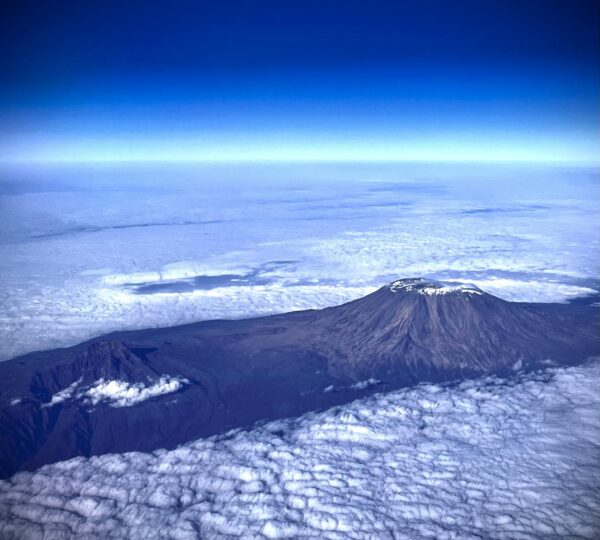
Mount Kilimanjaro is the tallest mountain in Africa and one of the most iconic travel destinations in the world. Rising majestically to 5,895 meters above sea level, this awe-inspiring peak draws thousands of travelers, adventurers, and nature enthusiasts every year. From its lush rainforest base to its snow-capped summit, Kilimanjaro offers a unique and unforgettable experience for those seeking adventure, breathtaking landscapes, and a true sense of achievement.
- Quality4.33
- Location4
- Amenities4
- Services4.33
- Price4.33
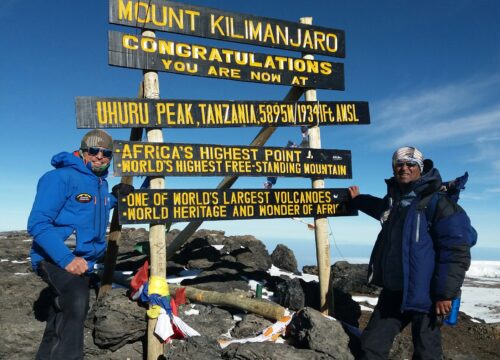
Climbing Mount Kilimanjaro hike via Machame Route
- Quality4.33
- Location4
- Amenities4
- Services4.33
- Price4.33
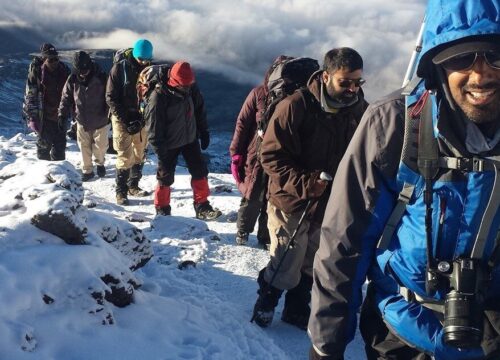
Kilimanjaro hike via Lemosho / Shira Route
- Quality4.33
- Location4
- Amenities4
- Services4.33
- Price4.33
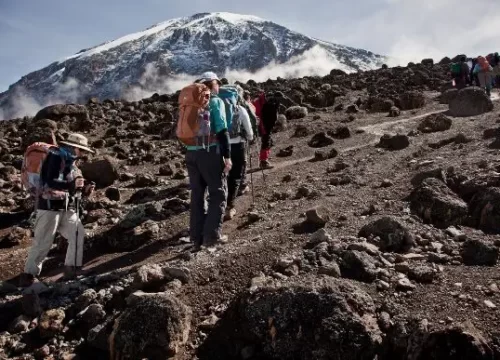
Kilimanjaro hike via Umbwe Route
- Quality4.33
- Location4
- Amenities4
- Services4.33
- Price4.33
Kilimanjaro 360 9-day Via Northern Circuit
Why Mount Kilimanjaro Should Be on
Your Travel List
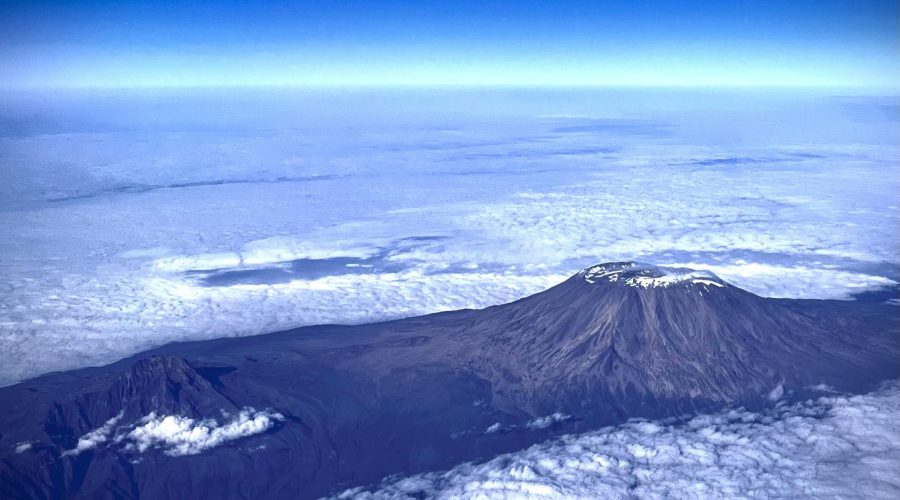
One of the most unique things about Mount Kilimanjaro is its diverse ecosystem. As you climb, you pass through different climate zones from lush rainforests to alpine deserts and finally to snow covered peaks. This rare transition makes every step of the journey exciting and visually stunning.
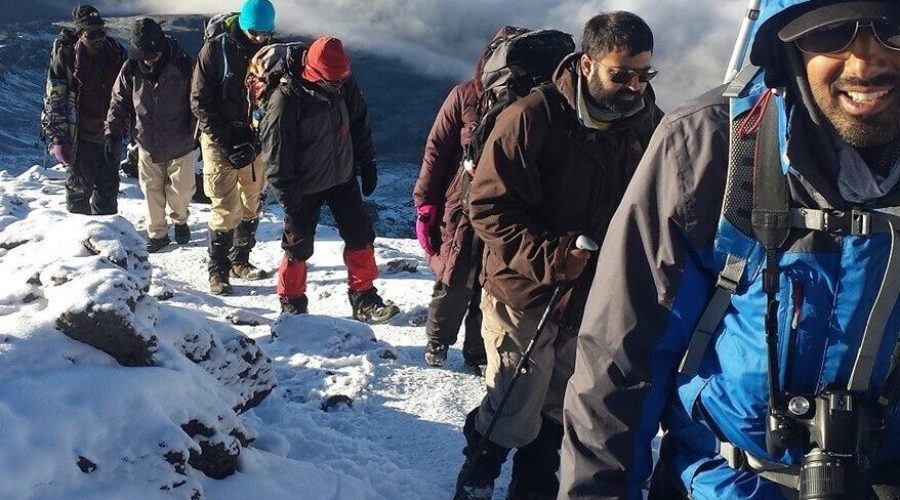
Unlike many high mountains, Mount Kilimanjaro does not require advanced technical climbing skills. This makes it accessible to beginners who are physically prepared and determined to reach the summit.
Benefits of Visiting Mount Kilimanjaro
1. A Life-Changing Adventure
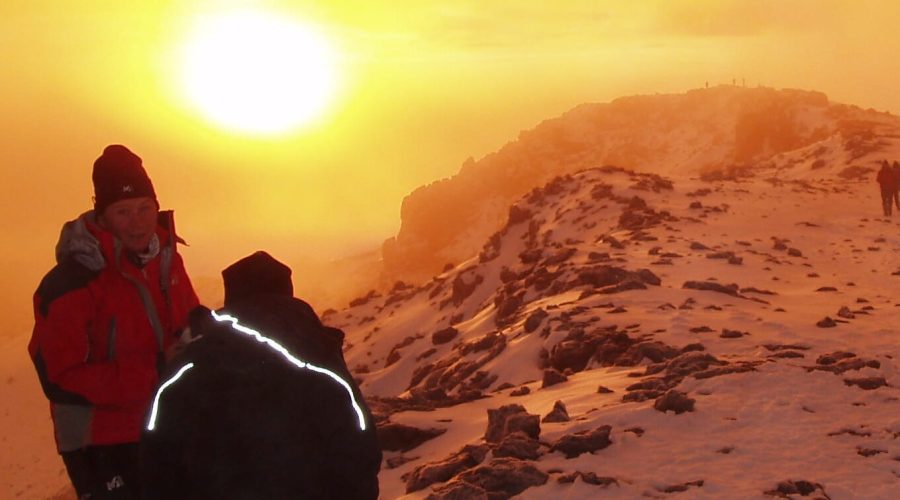
Climbing Mount Kilimanjaro is a personal achievement that builds confidence, discipline, and mental strength. Reaching the summit is a moment you will never forget.
2. Improve Your Physical Fitness
The trek challenges your body and helps improve endurance, stamina, and overall health.
3. Experience Unique Wildlife and Culture
During your journey, you may encounter wildlife and interact with local communities such as the Chagga people, learning about their traditions and lifestyle.
4. Support Local Economy
Tourism around Mount Kilimanjaro plays a major role in supporting the economy of Tanzania by creating jobs for guides, porters, and local businesses.
5. Peace and Connection with Nature
Far from the noise of city life, Mount Kilimanjaro offers a peaceful environment where you can reconnect with nature and refresh your mind.
Mount Kilimanjaro Routes
Overview
The only route with hut accommodations instead of tents. Suitable for beginners but has a lower success rate due to limited acclimatization time.
One of the most popular routes, known for its beautiful scenery and good success rate. Slightly more challenging than Marangu.
Highly recommended for its stunning views and excellent acclimatization, leading to a high summit success rate.
Shira Route
Starts at a higher altitude, which can make acclimatization more difficult.
The only route from the northern side. It is quieter, less crowded, and generally drier.
The longest route with one of the highest success rates, offering great acclimatization and panoramic views.
The steepest and most challenging route, best suited for experienced climbers.
Now that you have an overview of the main Kilimanjaro routes, let’s explore each route in detail to help you choose the best one for your adventure.
Detailed Kilimanjaro Routes Guide
Marangu Route (Coca-Cola Route)
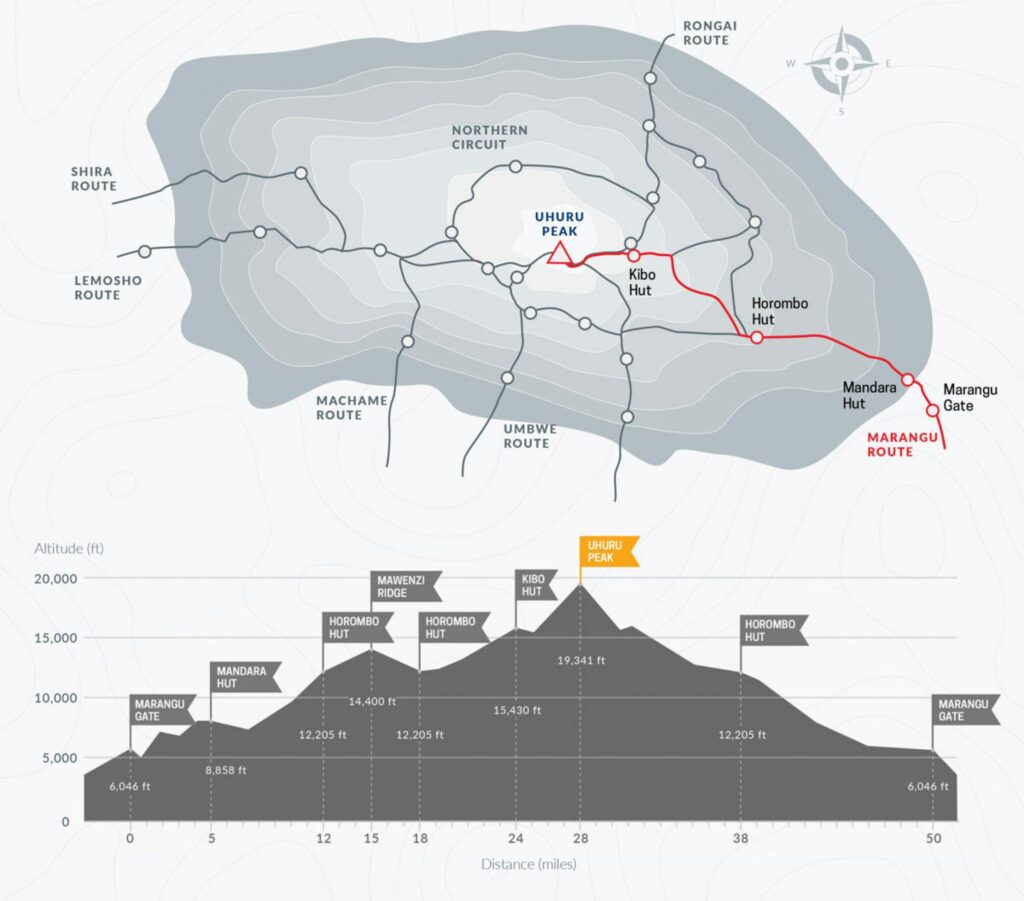
The Marangu Route is one of the oldest and most well-established paths on Mount Kilimanjaro, making it a popular choice for first-time climbers. It is the only route that offers hut accommodations, providing beds, dining areas, and basic facilities instead of camping. This makes the climb more comfortable, especially during cold or rainy conditions. The route passes through several ecological zones, starting from lush rainforest filled with wildlife, moving into moorland, and finally reaching the alpine desert before the summit. Its gradual slope and straightforward trail make navigation easier compared to other routes.
Pros & Cons
One of the main advantages of the Marangu Route is its comfort and simplicity, as climbers do not need to camp and can enjoy a more structured trekking experience. It is also considered one of the easier routes in terms of terrain, making it suitable for beginners. However, the shorter duration of 5–6 days does not allow enough time for proper acclimatization, which significantly lowers the summit success rate. Additionally, climbers ascend and descend using the same path, which reduces the variety of views and overall adventure compared to other routes like Machame or Lemosho.
Machame Route
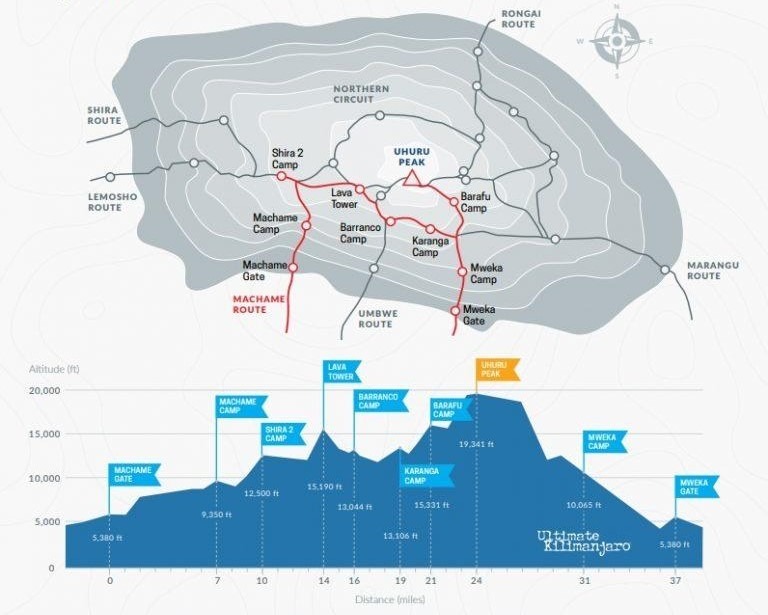
The Machame Route is one of the most scenic and popular routes on Mount Kilimanjaro. It takes climbers through diverse landscapes including rainforest, moorland, rocky ridges, and alpine desert. Known for its “climb high, sleep low” profile, it provides better acclimatization and a more adventurous trekking experience.
Pros & Cons
Machame offers a high success rate due to its longer itinerary and gradual ascent. It is perfect for those seeking both challenge and beauty. However, it is more physically demanding and can be crowded during peak climbing seasons.
Lemosho Route
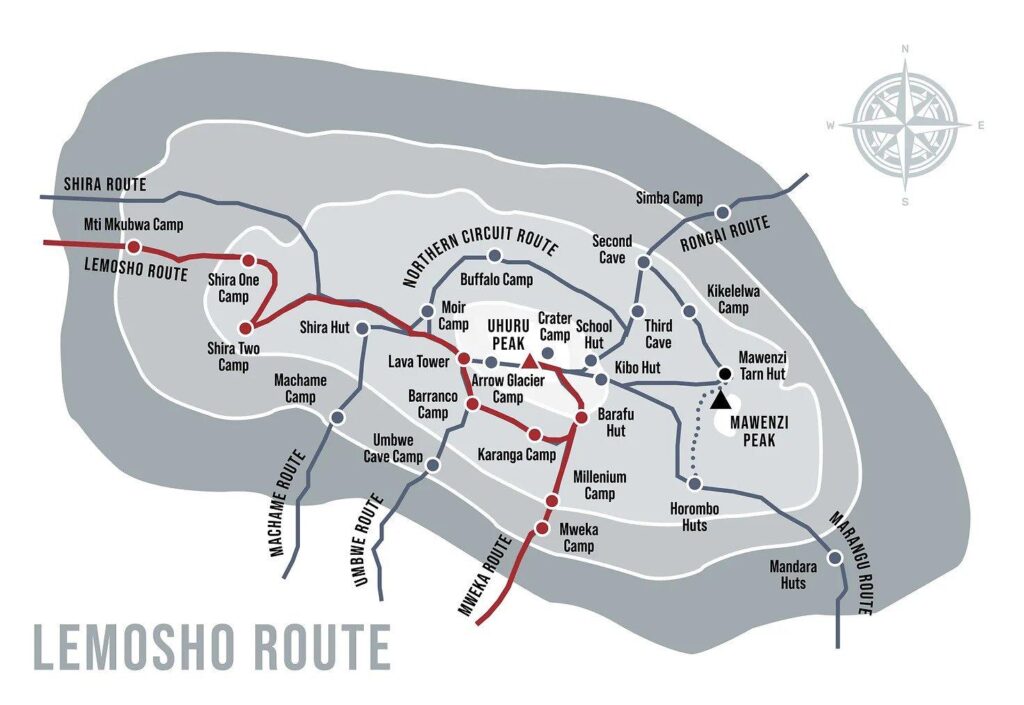
The Lemosho Route is widely regarded as one of the best ways to climb Mount Kilimanjaro. Starting from the western side, it offers a remote and beginning with stunning panoramic views. The route gradually joins Machame, allowing climbers to experience both solitude and scenic beauty.
Pros & Cons
This route provides excellent acclimatization and one of the highest success rates due to its longer duration. It is less crowded at the start and offers a premium experience. However, it is more expensive and requires more time commitment.
Shira Route
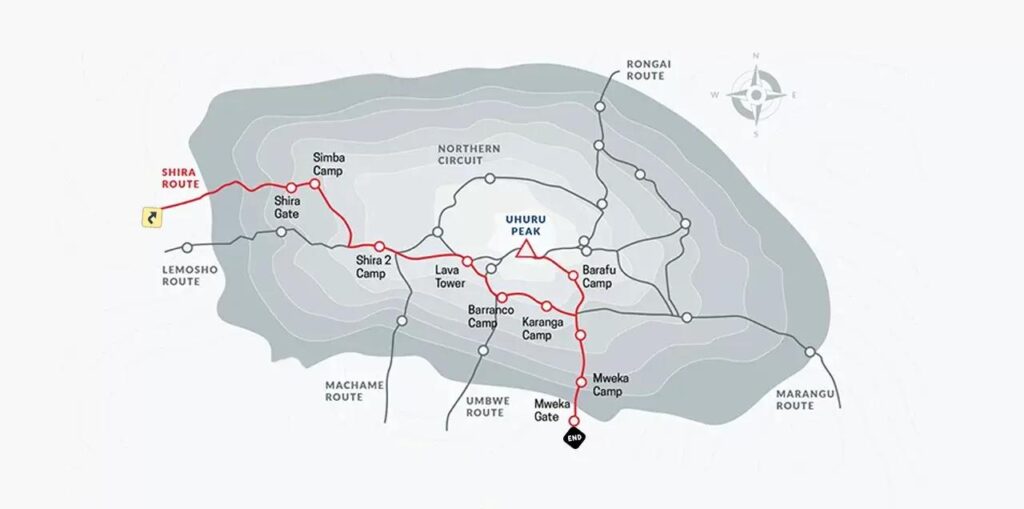
The Shira Route begins on the western side of Mount Kilimanjaro at a higher altitude compared to Lemosho. It offers spectacular views from the beginning and passes across the Shira Plateau, one of the most scenic areas on the mountain.
Pros & Cons
While the route offers breathtaking scenery and fewer crowds, starting at a higher altitude can make acclimatization more difficult for some climbers. This may slightly reduce the overall success rate compared to Lemosho.
Rongai Route
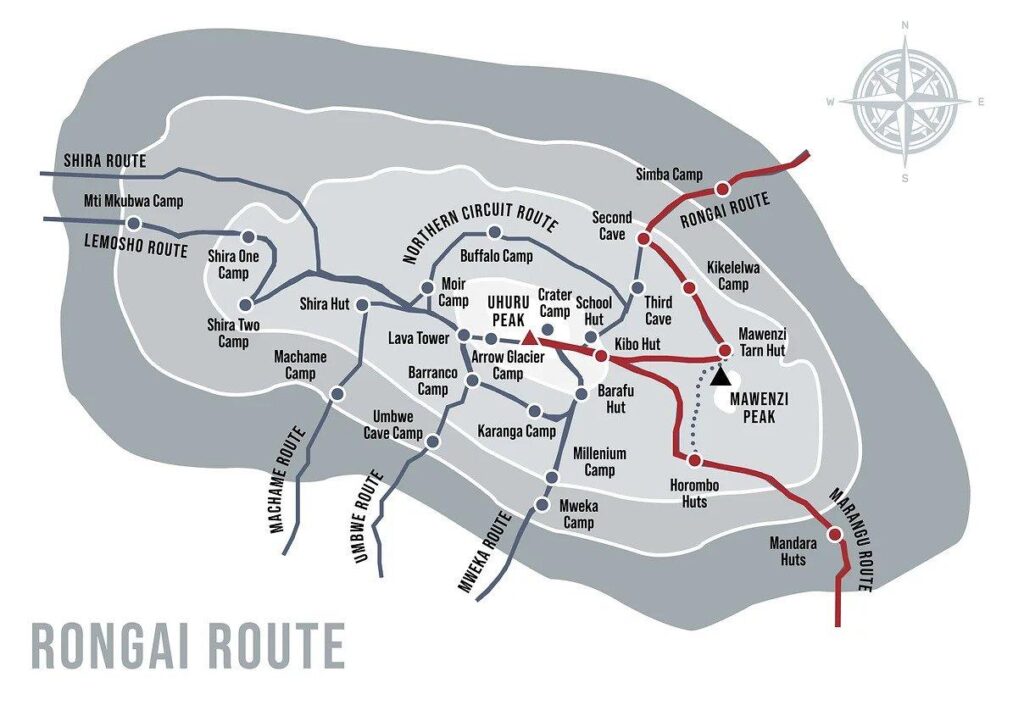
The Rongai Route approaches Mount Kilimanjaro from the northern side near the Kenyan border. It is known for its quiet and less crowded trails, offering a peaceful climbing experience. The route passes through remote wilderness areas with unique views.
Pros & Cons
Rongai is ideal for those seeking solitude and drier conditions, especially during the rainy season. However, it is less scenic compared to southern routes and offers fewer acclimatization advantages.
Northern Circuit Route
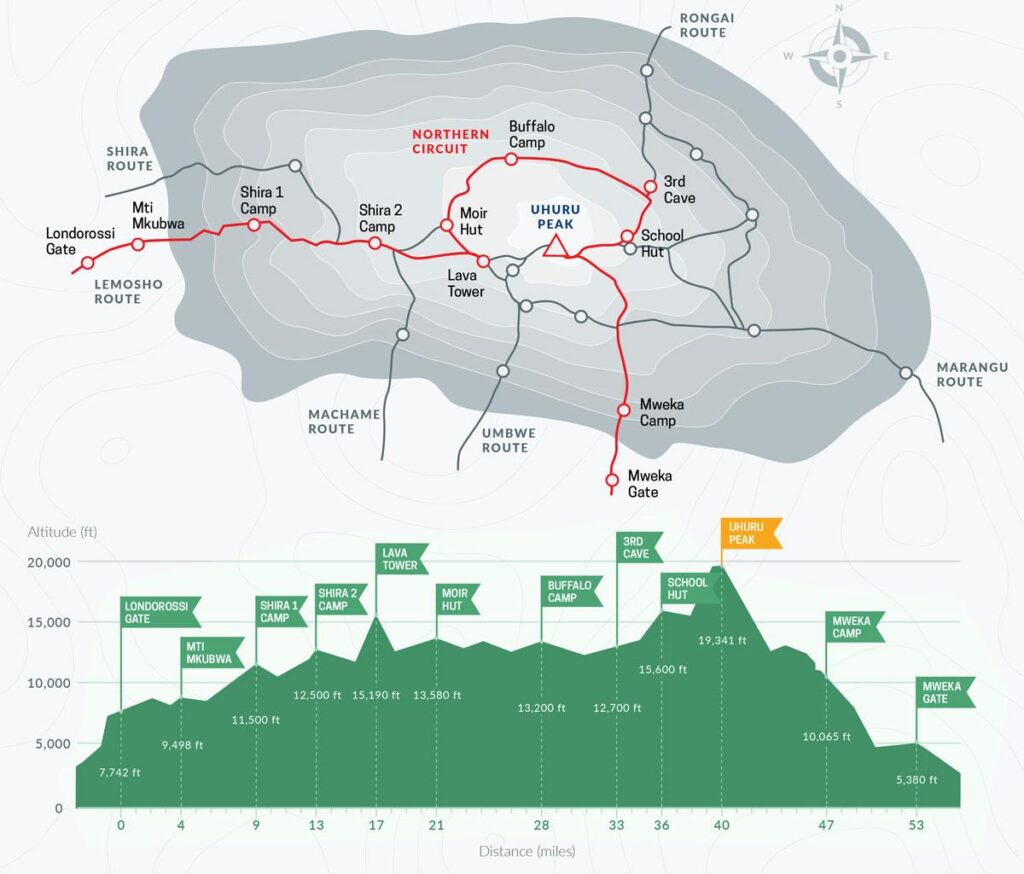
The Northern Circuit is the longest and most comprehensive route on Mount Kilimanjaro. It circles around the mountain, offering 360-degree views and a very gradual ascent, making it one of the most scenic and immersive routes.
Pros & Cons
This route has the highest success rate due to excellent acclimatization. It is quiet and less crowded, providing a premium experience. However, it requires more time and comes at a higher cost.
Umbwe Route
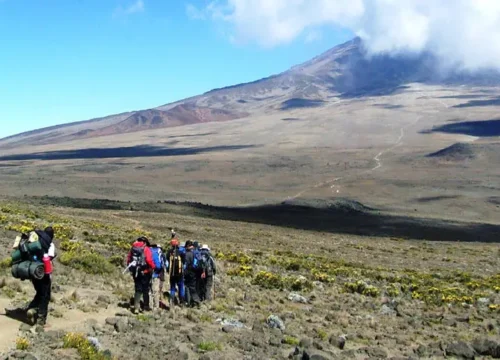
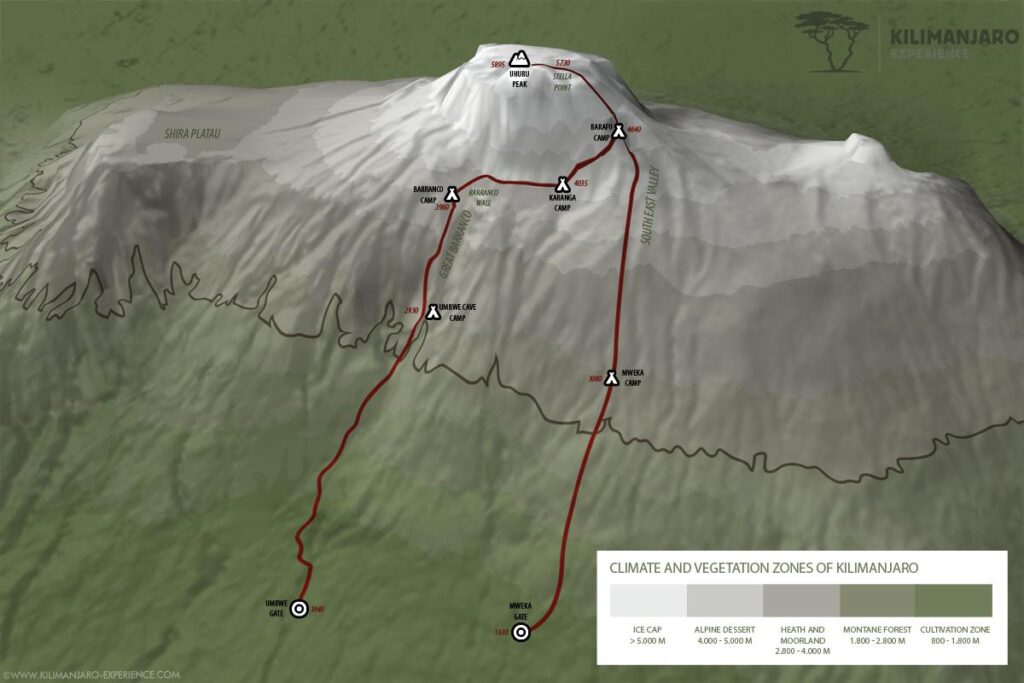
The Umbwe Route is the steepest and most direct path up Mount Kilimanjaro. It offers a challenging and adventurous climb through dense forest and narrow ridges, making it suitable for experienced climbers seeking a more intense experience.
Pros & Cons
Umbwe is fast and less crowded, providing a raw adventure. However, its steep ascent and limited acclimatization time result in a lower success rate, making it unsuitable for beginners.
Kilimanjaro Itineraries
Planning your climb on Mount Kilimanjaro starts with choosing the right itinerary. A well-designed itinerary is essential not only for reaching the summit but also for ensuring proper acclimatization, safety, and overall enjoyment of the journey. Kilimanjaro itineraries are typically structured day-by-day, allowing climbers to gradually adjust to increasing altitude while experiencing the mountain’s diverse landscapes.
Each itinerary is carefully planned to balance trekking hours, rest, and altitude gain. Longer itineraries (7–9 days) are highly recommended because they significantly improve your chances of reaching the summit by giving your body enough time to adapt. Shorter itineraries may seem easier or cheaper, but they often come with a lower success rate due to limited acclimatization.
Key Factors for a Safe Kilimanjaro Climb
Ensuring a safe climb on Mount Kilimanjaro depends on careful planning and proper support.
Here are some crucial factors:
- Longer itineraries (7–8 days): Taking more days to reach the summit allows your body to acclimatize gradually, reducing the risk of altitude sickness.
- Skilled guides and support staff: Experienced guides monitor climbers’ health, provide advice on pace, and recognize early signs of altitude-related issues.
- Gradual ascent strategy: Following the “climb high, sleep low” principle ensures steady acclimatization and improves your chances of a successful summit.
- Flexible pacing: Adjusting daily hiking distances and rest periods based on individual climbers’ condition helps prevent exhaustion and altitude sickness.
- Proper safety equipment: Carrying medical kits, oxygen supplies, and communication devices is essential for emergencies.
- Choosing safer routes: Among all routes, the Lemosho Route is often recommended for those prioritizing safety, thanks to its longer duration, gradual elevation gain, and less crowded trail.
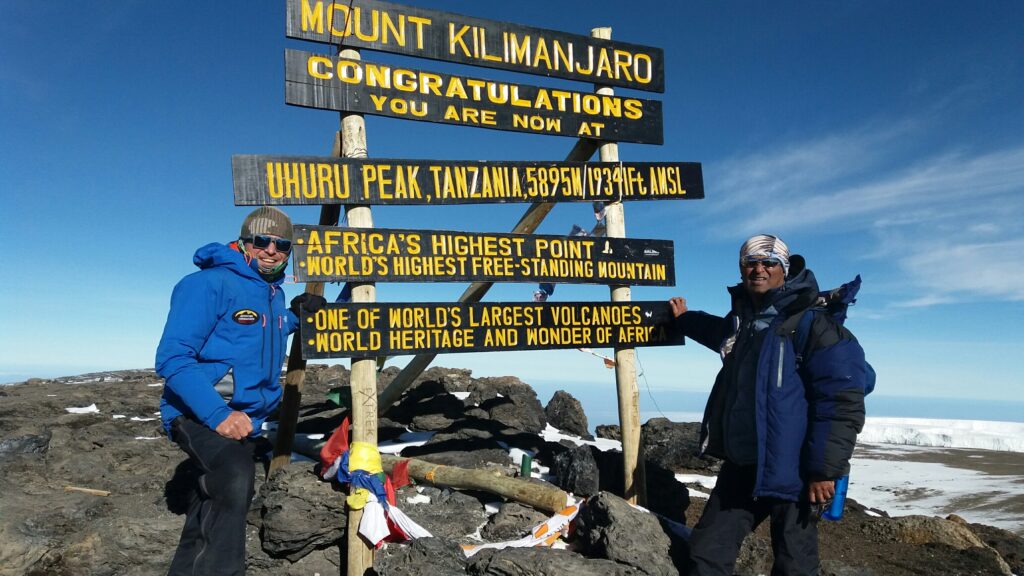
By considering these factors, climbers can enjoy the adventure of Kilimanjaro while minimizing risks and increasing the likelihood of reaching Uhuru Peak safely.
Best time to climb Kilimanjaro
The best time to climb Mount Kilimanjaro is during the dry seasons, which run from January to mid-March and June to October.
During these months, the weather is more stable, trails are less slippery, and the chances of rain are low, making the climb safer and more enjoyable. The dry season also offers the clearest views of the summit and surrounding landscapes. While the mountain can be climbed year-round, the rainy seasons (March–May and November) are more challenging due to wet trails, muddy conditions, and limited visibility. Planning your climb during the dry months increases your chances of a successful summit and ensures a more comfortable and scenic trekking experience.
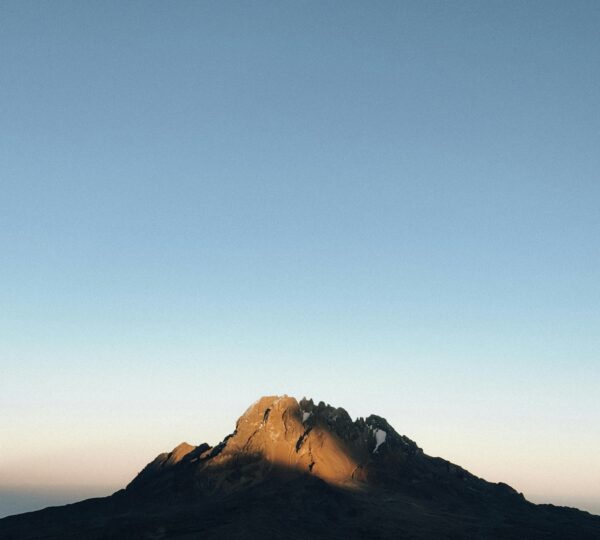
How to Prepare for Your Mount
Kilimanjaro Adventure
Climbing Mount Kilimanjaro is more than just a trek it’s a life-changing adventure. To reach the summit safely and fully enjoy the experience, preparation is key. Start by building your stamina with regular cardio workouts, strength training, and practice hikes. Carry a backpack during training to mimic the real trek and prepare your body for long days on the trail. Mental preparation is equally important embrace the challenge, anticipate changing weather, and visualize yourself standing at Uhuru Peak to stay motivated throughout the climb.
Equipping yourself with the right gear is essential for comfort and safety. Layered clothing, sturdy trekking boots, warm sleeping bags, and trekking poles will keep you prepared for the mountain’s varying conditions. Learn about proper hydration, nutrition, and recognizing altitude sickness symptoms to stay energized and healthy. Partnering with experienced guides ensures expert pacing, support, and guidance throughout your journey, giving you confidence every step of the way. With the right preparation, your Kilimanjaro climb will not only be achievable but unforgettable.
Ready to Start Your Kilimanjaro Adventure?
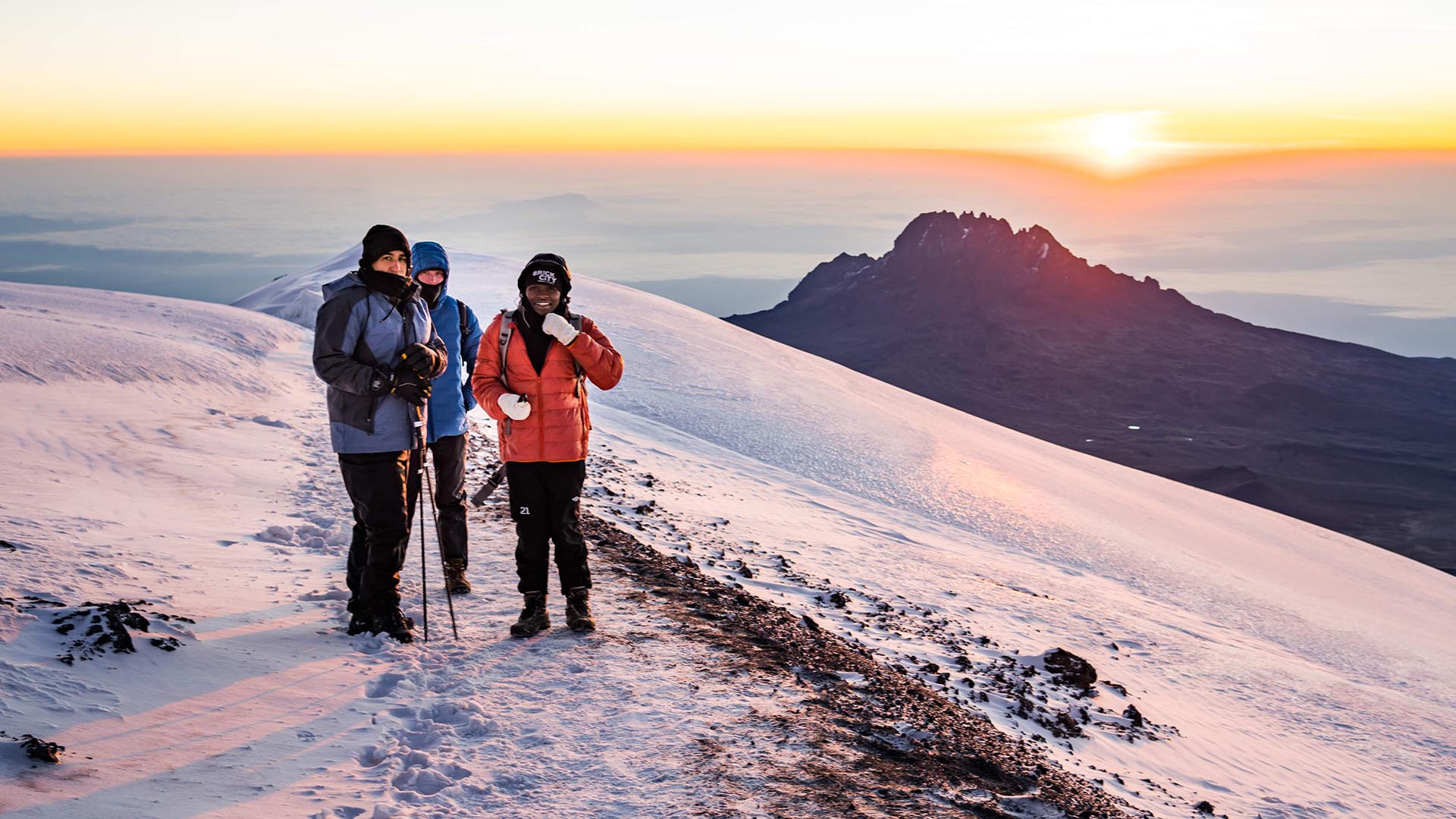
There’s no better time than now to make your dream of climbing Mount Kilimanjaro a reality. Whether you’re seeking breathtaking landscapes, an unforgettable adventure, or the thrill of standing at the highest point in Africa, we are here to make your climb safe, enjoyable, and truly memorable. Our experienced guides, carefully planned itineraries, and full support at every step ensure you focus on the adventure while we handle the details.
Create memories that will last a lifetime.