Where is Mount Kilimanjaro Located?
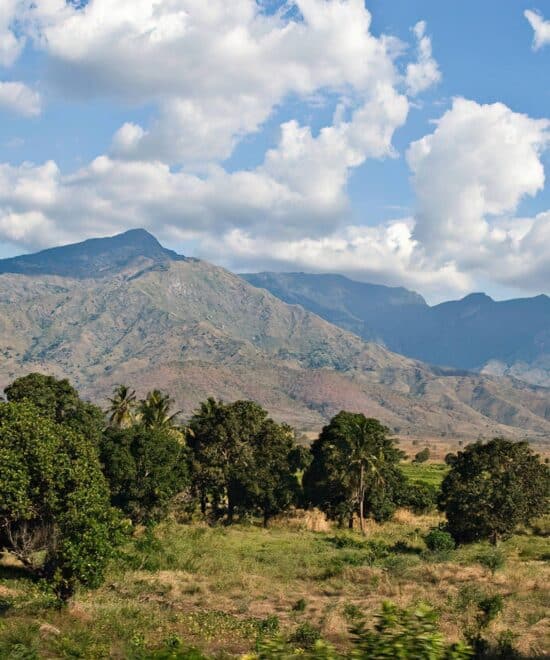
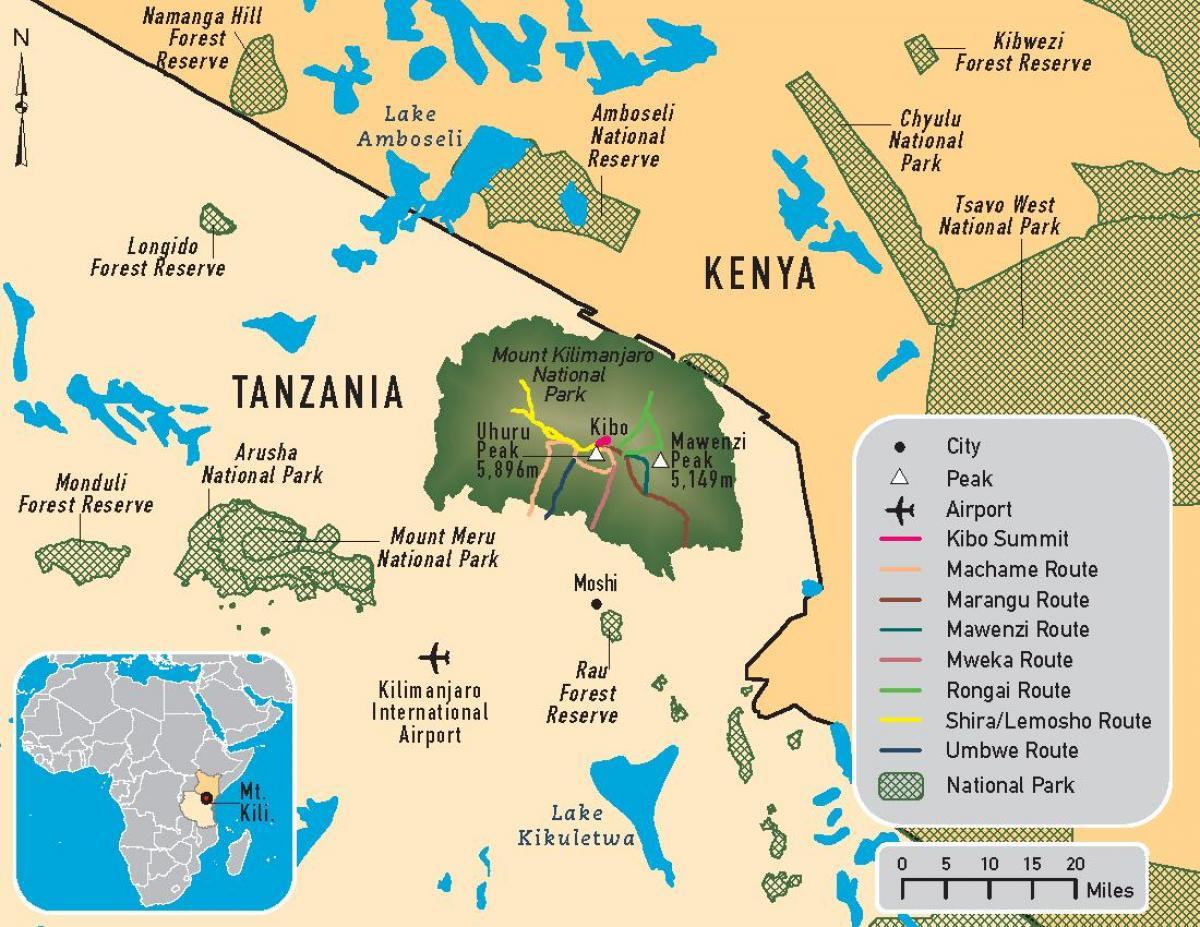
Where is Kilimanjaro located? Mount Kilimanjaro is situated in northern Tanzania, close to the border with Kenya, and lies within the protected area of Kilimanjaro National Park. This world-renowned mountain is one of the most iconic natural landmarks in Africa, attracting thousands of travelers every year due to its beauty, accessibility, and unique geographical features.
Rising dramatically from the surrounding plains, the mountain stands alone as the tallest free-standing mountain in the world. Unlike other famous peaks that are part of mountain ranges, Kilimanjaro dominates the landscape independently, making it visible from miles away. Its snow-capped summit creates a breathtaking contrast against the warm, tropical environment below.
Nearby towns such as Moshi and Arusha serve as the main gateways for visitors. These towns are not only starting points for the climb but also vibrant centers where travelers prepare, explore local culture, and enjoy views of the mountain. For many adventurers, discovering where this mountain is located marks the beginning of an unforgettable journey filled with excitement, challenge, and personal achievement.
Where is Mount Kilimanjaro in Africa?
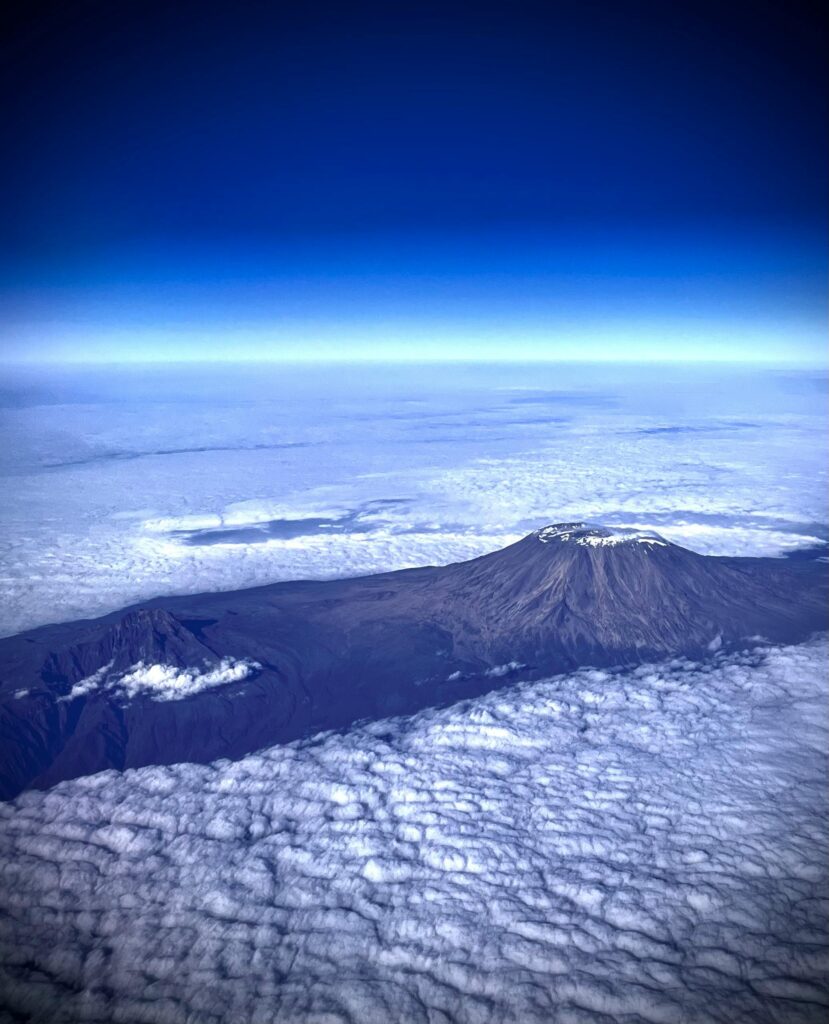
Where is Mount Kilimanjaro in Africa? This extraordinary mountain is positioned just south of the equator, making it one of the most fascinating geographical wonders in the world. Despite being located in a tropical region, the summit remains covered with snow and glaciers throughout the year a rare natural phenomenon that continues to amaze scientists and travelers alike.
Kilimanjaro’s unique location allows climbers to experience a journey through multiple climate zones in a single expedition. Starting from lush tropical rainforest, the trail gradually transitions into moorland, then into alpine desert, and finally into an arctic-like environment at the summit. This incredible diversity is one of the main reasons why climbing Kilimanjaro is considered a once-in-a-lifetime experience.
Beyond its physical features, the mountain also holds cultural and symbolic importance. It represents strength, resilience, and adventure, making it a powerful destination for people seeking both challenge and inspiration.
.
Locating Mount Kilimanjaro: Geographic Coordinates and Key Facts
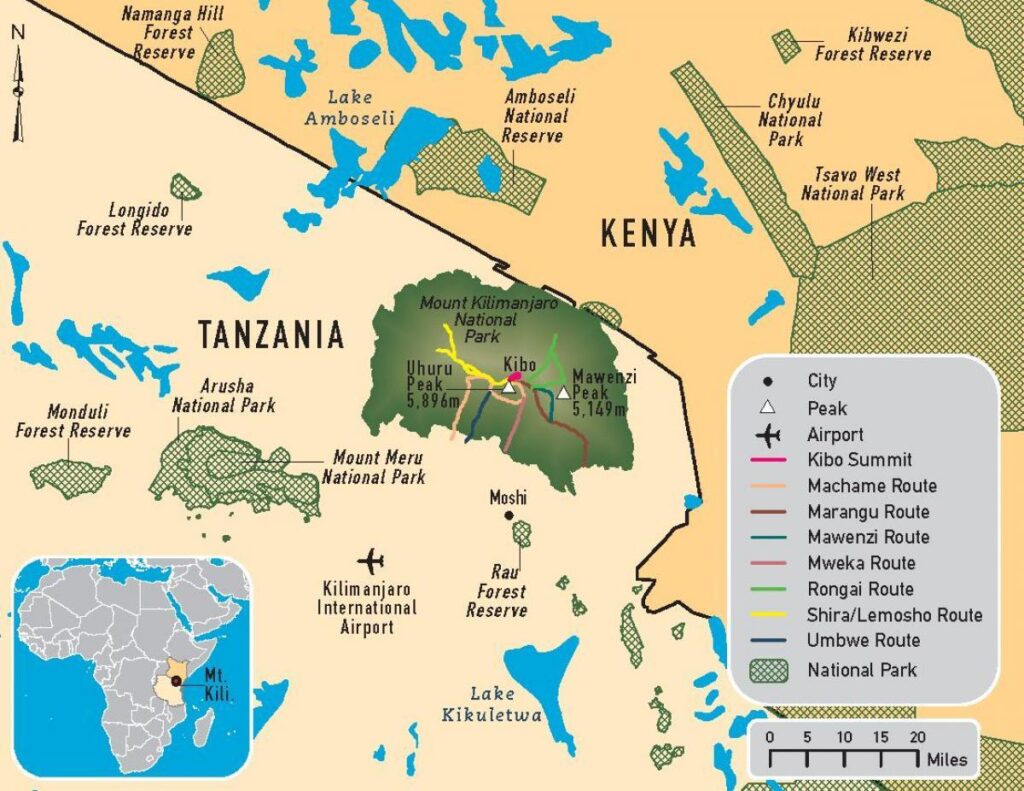
Geographically, the mountain is positioned at:
The mountain sits at approximately:
- Latitude: 3.0674° South
- Longitude: 37.3556° East
Positioned just south of the equator, it is remarkable for being crowned with snow and glaciers despite its tropical location a rare natural phenomenon that continues to captivate travelers and scientists alike.
This dormant volcanic giant consists of three distinct cones, each with unique features:
- Kibo: The highest and central cone, home to the famous Uhuru Peak, and remains dormant
- Mawenzi: A rugged, jagged peak known for its dramatic terrain and challenging climbs
- Shira: The oldest cone, largely eroded, forming the expansive Shira Plateau
Formed millions of years ago through volcanic activity, these cones have been sculpted over time by erosion and glacial movement, creating the diverse and stunning landscape climbers experience today. The summit, Uhuru Peak, at 5,895 meters above sea level, represents the pinnacle of achievement, offering panoramic views and the unforgettable experience of standing on the “Roof of Africa.
Where is Mount Kilimanjaro Climb Starting Point?
Where is Mount Kilimanjaro climb starting point? Every climb begins at officially designated park gates located within Kilimanjaro National Park. These gates serve as controlled entry points where climbers register, meet their guides, and begin their journey into the mountain’s diverse environment.
The most popular starting points include Machame Gate, Marangu Gate, Lemosho Gate, and Rongai Gate. Each of these gates leads to a different route, providing unique experiences in terms of scenery, difficulty level, and acclimatization profile.
For instance, some routes guide climbers through dense rainforests filled with wildlife and vibrant vegetation, while others offer open landscapes and quieter trails. The choice of starting point is not only about location—it is a strategic decision that can greatly influence the success of your climb and the overall experience you will have on the mountain.tly enhance your overall experience and improve your chances of reaching the summit successfully.t successfully.
Where is Mount Kilimanjaro Accessed From? Travel Routes and Tips
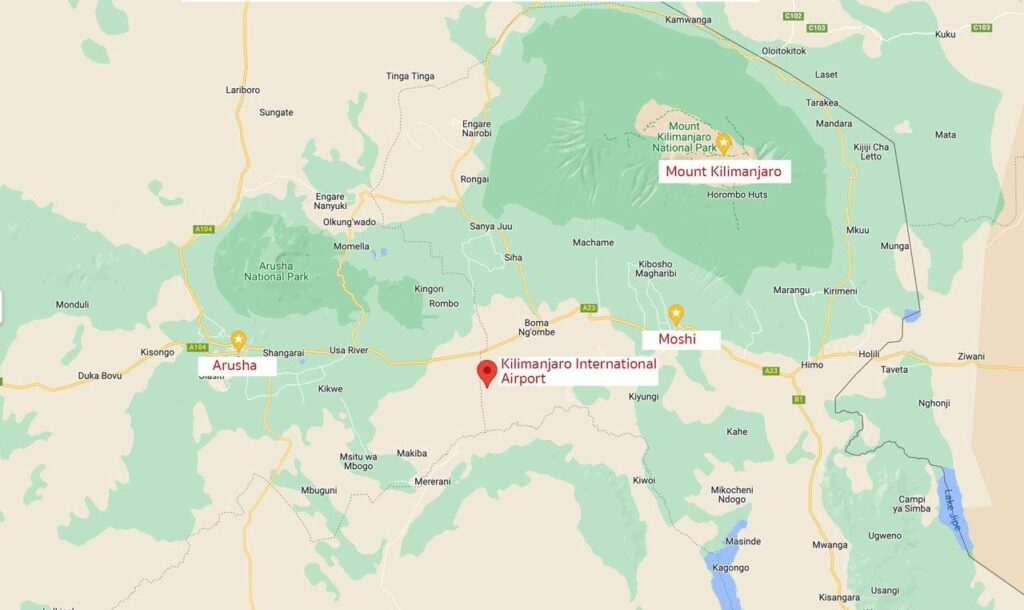
Where is Mount Kilimanjaro accessed from? The main gateway is Kilimanjaro International Airport (JRO), strategically located between Moshi and Arusha. This airport connects travelers from across the globe, making it one of the most convenient entry points for a high-altitude adventure.
After arrival, travelers continue their journey by road. The drive from Moshi takes approximately 40 minutes, while from Arusha it takes about 1–2 hours to reach the park gates. These journeys not only bring you closer to the mountain but also offer stunning views of the surrounding landscapes.
International travelers often connect through major cities such as Nairobi or Dar es Salaam before arriving. This well-developed network ensures that Kilimanjaro remains accessible to adventurers worldwide. The ease of access is one of the key reasons why it is considered one of the most popular trekking destinations on the planet.
Essential Tips Before Your Kilimanjaro Adventure.
Before starting your journey, proper preparation is essential. Climbing Kilimanjaro is not just about physical strength it requires careful planning, the right equipment, and mental readiness.
Travelers should ensure they have valid visas and necessary travel documents before arriving in Tanzania. Health preparation is equally important, including vaccinations and understanding how altitude sickness can affect the body. Travel insurance is highly recommended, especially for high-altitude trekking.
Proper gear is crucial for comfort and safety. Climbers need layered clothing to handle changing temperatures, strong trekking boots for rough terrain, and essential equipment such as sleeping bags and trekking poles. Working with a licensed tour operator is also critical, as experienced guides help monitor your health, manage your pace, and ensure a safe journey.ances of reaching the summit but also enjoys the journey more fully, with less stress and more confidence.
Where is Mount Kilimanjaro Preparation Important?
Preparation is one of the most important parts of a successful climb. This journey is not only about physical strength but also proper planning and awareness.
Travelers should ensure they have all required travel documents and visas before arriving in Tanzania. Health precautions such as vaccinations and understanding altitude sickness are also essential. Travel insurance is highly recommended, especially for high-altitude trekking.
Proper gear plays a crucial role in comfort and safety. Climbers need layered clothing, strong trekking boots, and essential equipment to handle changing weather conditions. Choosing a licensed and experienced tour operator is also important, as guides help monitor health, manage pace, and provide support throughout the climb.
A well-prepared climber is more confident, safer, and more likely to reach the summit successfully.
Where is Mount Kilimanjaro First Summit Recorded?
The first successful ascent of Mount Kilimanjaro was achieved in 1889 by the pioneering climbers Hans Meyer and Ludwig Purtscheller. After weeks of rigorous trekking, navigating through dense rainforests, rocky terrains, and freezing alpine conditions, they finally reached the summit, proving that conquering this majestic peak was indeed possible. Their success marked an important milestone in mountaineering history, not only for Africa but for the global climbing community.
This remarkable achievement captured the imagination of adventurers and explorers around the world. It inspired countless expeditions over the following decades, each attempting to follow in their footsteps and experience the unique challenge of Kilimanjaro. The story of Meyer and Purtscheller also highlighted the importance of careful planning, perseverance, and respect for the natural environment lessons that remain crucial for climbers today.
Over the years, Kilimanjaro has transformed into a world-renowned adventure destination, attracting thousands of climbers annually. From beginners seeking a non-technical trekking challenge to seasoned mountaineers craving high-altitude experiences, every climber is drawn by the allure of standing at Uhuru Peak, the Roof of Africa, and witnessing breathtaking views that few have the privilege to see. The legacy of that first ascent continues to inspire each new generation of adventurers, making Kilimanjaro not just a mountain, but a symbol of human determination, courage, and the timeless spirit of exploration.
Where is Mount Kilimanjaro Tourism Growth Seen?
Tourism around Mount Kilimanjaro began developing gradually in the early 20th century, when explorers and travelers first became fascinated by its towering, snow-capped peak near the equator. After Tanzania gained independence in 1961, the growth of tourism accelerated, fueled by improved infrastructure, international interest, and the official designation of Kilimanjaro National Park. The park not only preserved the mountain’s fragile ecosystems but also provided regulated access for climbers, ensuring sustainable tourism and protecting wildlife habitats.
Today, tourism around Mount Kilimanjaro is a major contributor to Tanzania’s economy, supporting thousands of local livelihoods. This includes professional mountain guides, porters, cooks, lodge owners, transport operators, and small businesses catering to visitors. Beyond economic benefits, tourism has raised global awareness about environmental conservation, emphasizing the need to protect this natural wonder for future generations. Annual events, trekking competitions, and eco-tourism initiatives continue to attract adventurers from all continents, making Kilimanjaro one of the most visited and celebrated mountains in the world.
Where is Mount Kilimanjaro Key Facts to Know?
Mount Kilimanjaro stands proudly as the highest mountain in Africa, reaching 5,895 meters above sea level, and it is also the tallest free-standing mountain in the world. Located in northern Tanzania, near the border with Kenya, it dominates the landscape with its iconic snow-capped summit that can be seen from nearby towns like Moshi and even parts of Kenya on clear days.
The mountain is composed of three volcanic cones, each with distinct characteristics:
- Kibo: The highest and central cone, home to Uhuru Peak, the ultimate summit for climbers.
- Mawenzi: A rugged, jagged peak known for its challenging terrain and dramatic ridges.
- Shira: The oldest cone, largely eroded, forming the expansive Shira Plateau with its unique ecological zones.
One remarkable aspect of Kilimanjaro is that climbing it does not require technical mountaineering skills, which makes it accessible to a wide range of adventurers. Climbers experience five distinct climate zones along the ascent—from lush tropical rainforests at the base, through alpine deserts, to the icy glaciers at the summit. Moreover, Kilimanjaro is part of the prestigious Seven Summits challenge, attracting adventurers from across the globe who wish to conquer the highest peak on each continent.
Whether for adventure, personal achievement, or nature exploration, Kilimanjaro offers an unforgettable experience, blending breathtaking landscapes, cultural encounters, and the thrill of reaching Africa’s Roof.
👉 To explore the different paths to the summit, check out our Kilimanjaro Climbing Routes and find the best route for your adventure.
Where is Mount Kilimanjaro Your Next Adventure?
Now that you’ve explored the location, history, and travel essentials of Mount Kilimanjaro, it’s time to turn your dream into reality. Imagine standing at the summit, watching the sunrise above the clouds, and experiencing a moment that few people in the world ever achieve.
Whether you are planning your first adventure or seeking a new challenge, Kilimanjaro offers a life changing journey filled with breathtaking landscapes, personal achievement, and unforgettable memories. With the right preparation, guidance, and determination, reaching the top is absolutely possible.
👉 Ready to turn this dream into reality? Book now to climb Mount Kilimanjaro and start planning your adventure today.

Honey Badger (Mellivora capensis) – Africa’s Fearless Survivor
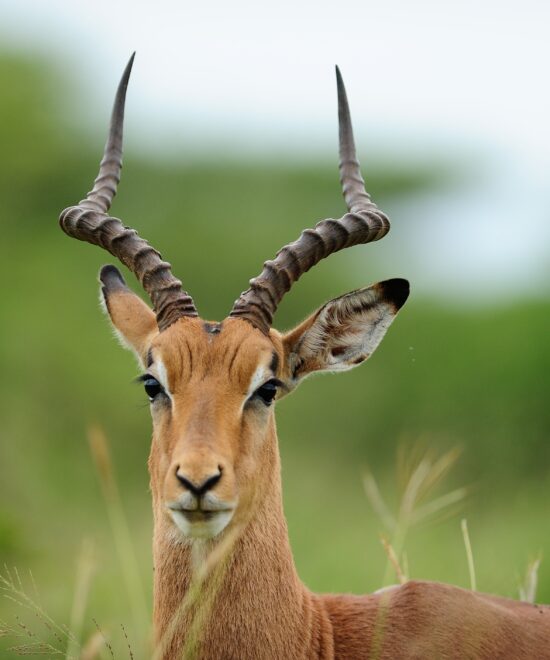
Gazelle vs. Antelope