Gazelle vs. Antelope: What’s the Difference?
Before diving into the differences, it’s important to understand what gazelles and antelopes are as a group, including where they are found, their types, and general characteristics. This foundation is essential when exploring gazelle vs antelope, as it helps clarify how closely these animals are related.
Both gazelles and antelopes are hoofed, herbivorous mammals that belong to the Bovidae family. They are commonly found in Africa and parts of Asia, where they occupy a wide range of habitats such as savannas, grasslands, deserts, forests, and even mountainous regions. Africa, especially countries like Tanzania and Kenya, is home to a large variety of these animals.
These animals are known for their adaptability, allowing them to survive in different environments from dry deserts to lush plains. While some species prefer open grasslands where they can run freely, others are adapted to forested or rocky terrains. This flexibility makes antelopes one of the most widespread groups of large mammals in Africa, which is an important point when understanding gazelle vs antelope.
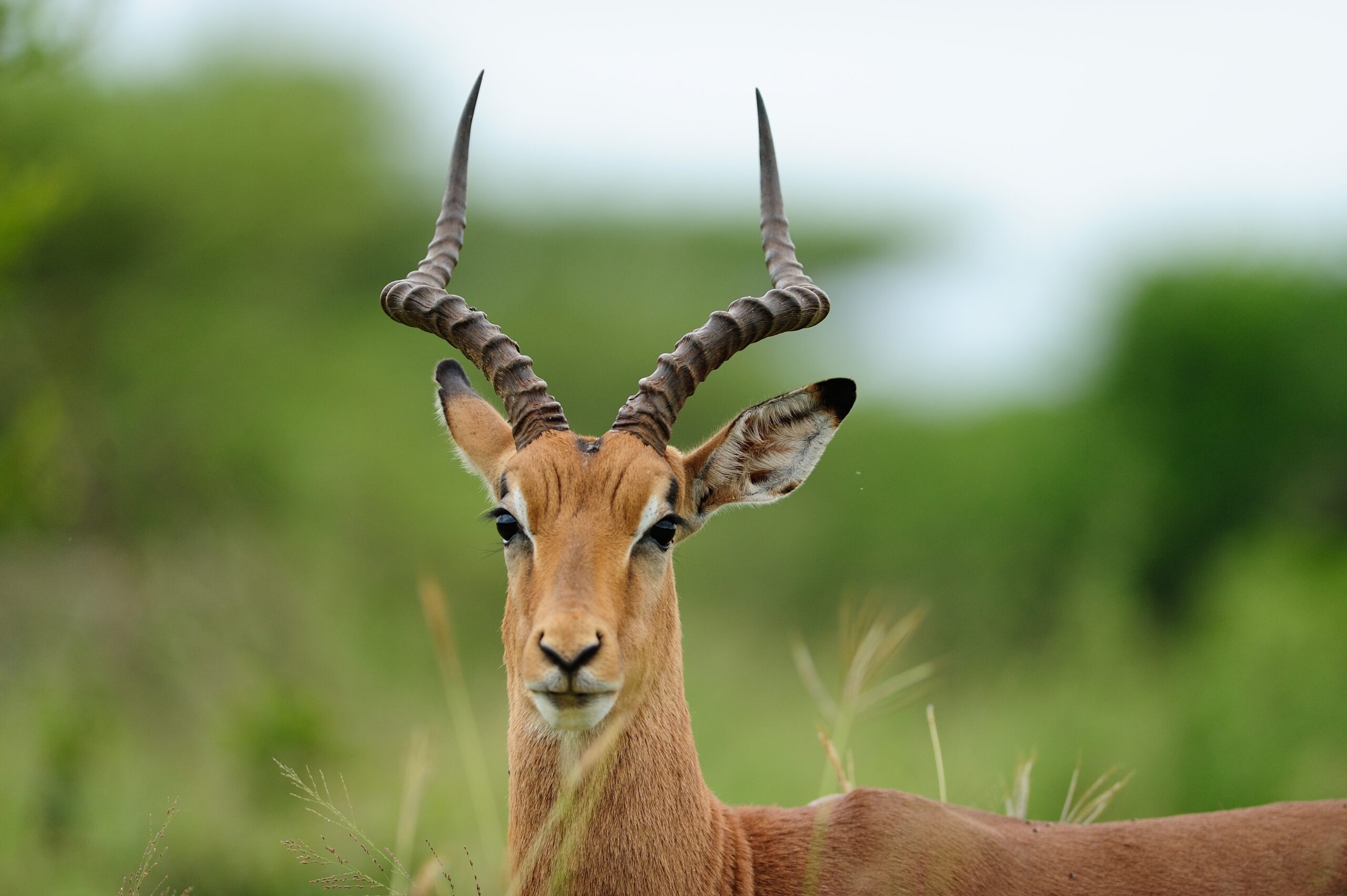
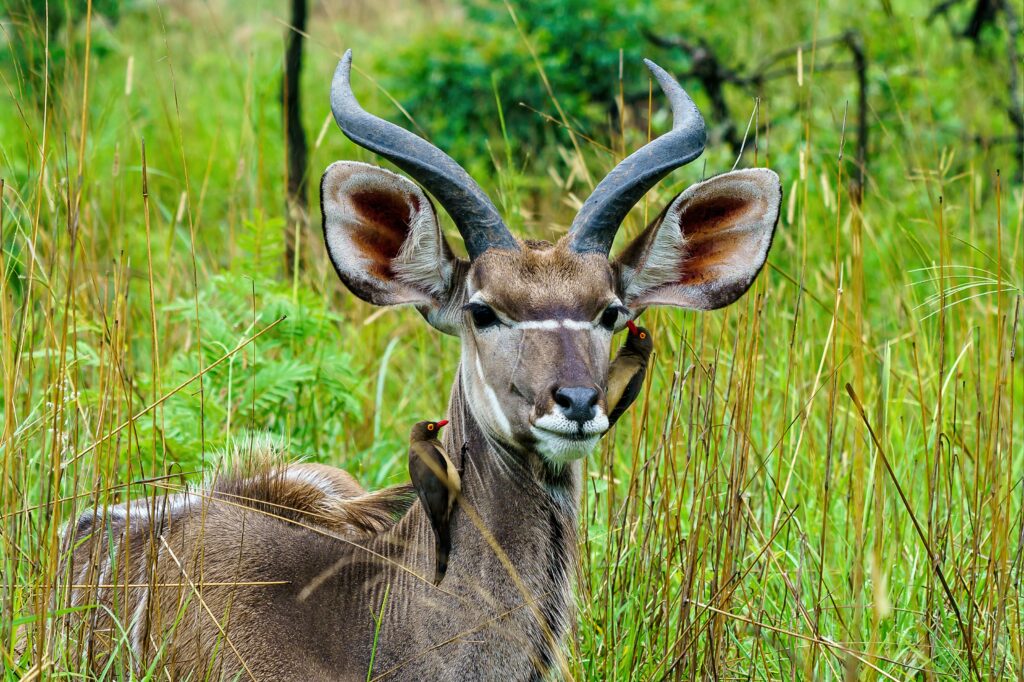
In terms of classification, antelope is a broad term used to describe many species within the Bovidae family. This group includes animals like Impala, Kudu, Eland, and Gazelle. On the other hand, a gazelle is a specific type of antelope, usually smaller, lighter, and built for speed, with a more delicate body structure.
There are many different types of antelopes, ranging from the tiny Dik-dik to the large eland. Gazelles, however, are fewer in type and are generally recognized for their slim bodies, curved horns, and exceptional speed. Their physical design makes them perfectly suited for escaping predators in open environments.
Both gazelles and antelopes are also prey animals, meaning they are hunted by predators such as Lion, Leopard, and Cheetah. Because of this, they have developed strong survival traits like speed, alertness, and group living (herds). Some species even use alarm calls or body signals to warn others of danger, showing how behavior plays a role in gazelle vs antelope comparisons.
In Tanzania, these animals can be seen in some of the most famous national parks and conservation areas. For example, both gazelles and other antelopes are commonly found in Serengeti National Park, Tarangire National Park, Ngorongoro Conservation Area, and Lake Manyara National Park. These parks provide ideal habitats with plenty of grass, water, and space for grazing and movement, making them perfect locations to observe gazelle vs antelope in the wild.
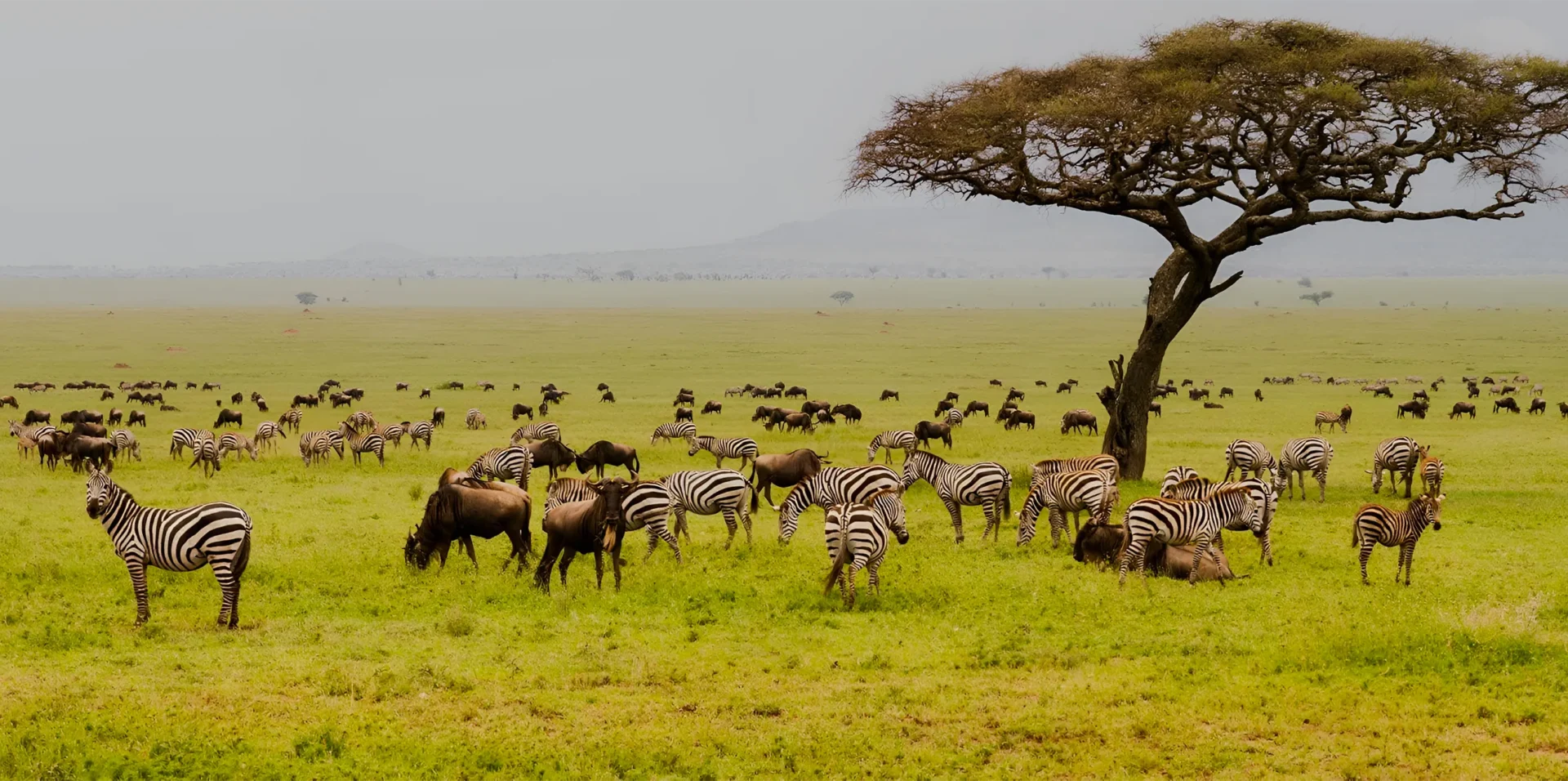
During events like the Great Migration, millions of herbivores including antelopes move across ecosystems in search of food and water, creating one of the most spectacular wildlife experiences in the world. Gazelles are often part of this movement, further highlighting their connection within the broader antelope group.
Understanding this shared background makes it easier to see the real difference in the comparison of gazelle vs antelope, which mainly comes down to classification, size, and specific characteristics something we will explore further in the sections below.
Overview of Gazelle
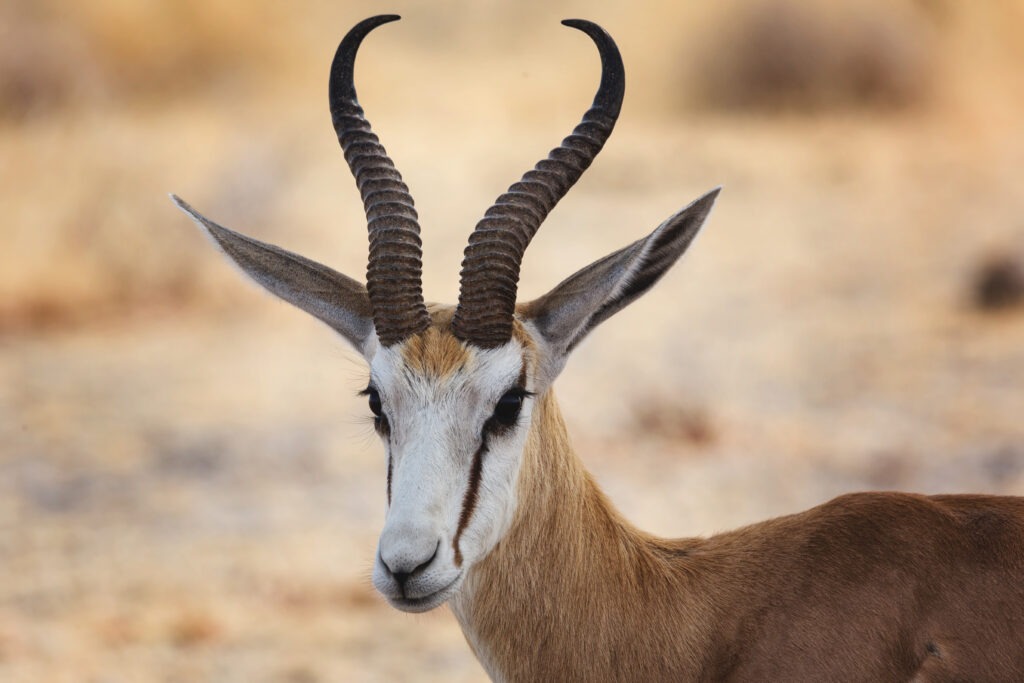
A gazelle is a small to medium-sized graceful animal belonging to the antelope family. Gazelles are known for their incredible speed, agility, and ability to leap high when escaping predators.
Most gazelles live in African savannas, grasslands, and deserts, where they survive in harsh environments with limited water. They are lightweight animals with slender legs, curved horns (in many species), and excellent eyesight that helps them detect danger from far away.
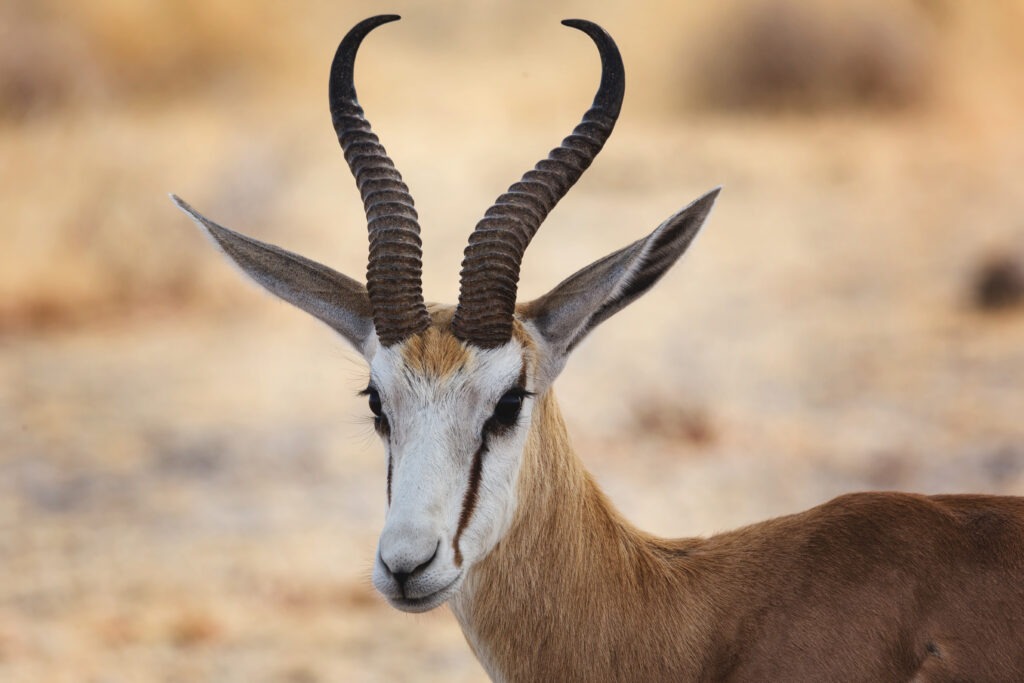
Gazelles are extremely fast runners and can reach speeds of up to 60–80 km/h, making them one of the quickest animals in the wild. Their main defense mechanism is speed and zigzag running patterns to confuse predators like lions and cheetahs.
Gazelles are highly social animals and are often seen living in herds, which helps them increase safety from predators. Living in groups allows them to detect danger early and respond quickly when threatened.
They are also well adapted to dry environments, as they can survive with very little water by getting most of their moisture from the plants they eat. This adaptation makes them perfectly suited for life in semi-arid regions where water sources are limited.
Gazelles have a strong breeding system where females usually give birth to a single calf after a gestation period of several months. The young calves are hidden in tall grass during their early days to protect them from predators.
In addition to their speed, gazelles rely on alertness and sharp senses to survive in the wild. Their ability to quickly change direction while running makes them extremely difficult for predators to catch, ensuring their survival in the African wilderness.
Overview of Antelope
An antelope is a broad category of herbivorous mammals found mainly in Africa and parts of Asia. In fact, gazelles are a type of antelope, but not all antelopes are gazelles.
Antelopes vary greatly in size, shape, and habitat. Some are small like dik-diks, while others are large like elands. They all share common features such as hooves, herbivorous diets, and horn structures (in most species). Despite these similarities, different species have developed unique body shapes and survival skills that help them adapt to their specific environments. Some are built for speed in open plains, while others are stronger and better suited for dense vegetation or rugged landscapes.
In general, antelopes are highly diverse animals with specialized adaptations that allow them to survive in a wide range of ecosystems, making them one of the most successful herbivore groups in the wild.
Antelopes live in diverse environments including savannas, forests, mountains, and deserts. Their survival strategies depend on the species, but many rely on speed, herd behavior, and camouflage to avoid predators. In open grasslands, they depend more on fast running and long-distance vision, while in forested or rocky areas, they rely more on hiding skills, silent movement, and sharp hearing to detect danger early.
Antelopes play an important ecological role in their habitats as they help maintain the balance of vegetation by grazing on grass and plants. This grazing activity prevents overgrowth and supports the overall health of ecosystems. In many regions, they also contribute to seed dispersal, helping new plants grow as they move across large areas while feeding.
Many antelope species are highly adapted to their environments, with some capable of surviving in extremely dry areas while others thrive in dense forests. These adaptations include specialized diets, water conservation abilities, and strong senses for detecting predators. Some species can even adjust their feeding habits depending on seasonal changes, switching between grasses, leaves, and shrubs to survive during food shortages.
Antelopes are also known for their strong social structures, often forming herds that range from a few individuals to hundreds. Living in groups increases their chances of survival, as there are more eyes to spot danger and more individuals to confuse predators. Herd dynamics also help protect weaker members, especially young calves, which stay closer to adults for safety.
Communication within antelope herds is also very important. They use body movements, tail signals, and alarm calls to warn others about nearby threats. This coordination helps the entire group react quickly and escape predators more effectively.
Gazelle and antelope are closely related, but antelope is the broader classification that includes many different species, each with unique characteristics and survival strategies. This makes antelopes one of the most adaptable and widespread herbivore groups in the animal kingdom.
Do They Have Any Similarities?
Yes, gazelles and antelopes share many similarities because gazelles are actually part of the antelope family. This close biological relationship means they have many shared physical features, behaviors, and survival strategies that help them thrive in the wild. When exploring gazelle vs antelope, these similarities clearly show how closely connected they are in the context of gazelle vs antelope comparison in wildlife studies.
Here are their main similarities:
Both are herbivores – they eat grass, leaves, and plants
Both have hooves – adapted for running on land
Both are prey animals – hunted by big carnivores like lions and cheetahs
Both are fast runners – speed is their main survival tool
Both live in herds – helps them protect each other from predators
Both are found mainly in Africa and Asia
These similarities exist because both animals have evolved in similar environments where survival depends on speed, awareness, and group behavior. Their bodies are built for quick movement, allowing them to escape danger efficiently, while their diets are adapted to the vegetation available in their habitats. In the comparison of gazelle vs antelope, this shared adaptation plays a major role in understanding gazelle vs antelope differences and similarities.
Another important similarity is their alertness and strong senses, especially sight and hearing. Both gazelles and other antelopes can quickly detect predators from a distance, giving them enough time to react and escape. This is another key point in gazelle vs antelope wildlife comparison, where survival behavior is almost identical in many species. They also use body signals and group movement to warn others of danger.
They also share similar reproductive patterns, where females give birth to young that are quickly trained to stand and move, increasing their chances of survival in predator-filled environments. Some species even hide their young in grass during the early days for protection.
In simple terms, all gazelles are antelopes, but not all antelopes are gazelles. This means gazelles represent a smaller, more specific group within the larger and more diverse antelope family, which is the key idea behind understanding gazelle vs antelope comparison in African wildlife ecosystems.
Conclusion
In the comparison of gazelle vs antelope, the key difference is classification. A gazelle is a specific type of antelope, while antelope is a general group that includes many species. This is one of the most important facts in understanding gazelle vs antelope differences.
Gazelles are known for their speed, elegance, and desert survival skills, while antelopes represent a wide variety of animals adapted to different environments across Africa and Asia. When looking at gazelle vs antelope, it becomes clear that gazelles are more specialized for open plains and fast escape, while other antelopes may focus on strength, size, or camouflage depending on their habitat. This makes the gazelle vs antelope comparison very useful in wildlife studies.
Another important point in gazelle vs antelope is diversity. Antelopes include dozens of species with different sizes, behaviors, and survival strategies, while gazelles share more similar characteristics such as slim bodies, high speed, and alert behavior. This makes gazelles easier to identify compared to the broader antelope group in any gazelle vs antelope guide.
Understanding this difference helps wildlife lovers and travelers better appreciate the diversity of African wildlife. Whether gazelle or antelope, both play an important role in maintaining the balance of nature in their ecosystems. The study of gazelle vs antelope also helps people understand how animals adapt differently within the same family.