Lake Manyara National Park is one of Tanzania’s most enchanting safari destinations, offering a unique combination of lush landscapes, abundant wildlife, and breathtaking scenic beauty. Located at the base of the Great Rift Valley escarpment, Lake Manyara National Park is renowned for its rich biodiversity and spectacular natural features. Despite its relatively small size compared to other northern parks, Lake Manyara National Park provides an incredibly diverse safari experience that attracts visitors from around the world.
What makes Lake Manyara National Park truly special is its ability to offer a wide range of wildlife and ecosystems within a compact area. Visitors to Lake Manyara National Park often describe it as a hidden gem because of the variety of experiences available, from dense groundwater forests to open savannah plains and alkaline lake shores. This diversity makes Lake Manyara National Park an ideal destination for both first-time safari travelers and experienced explorers looking for something unique.
The park is particularly famous for its tree-climbing lions, a rare and fascinating behavior that makes Lake Manyara National Park stand out among other safari destinations in Africa. Along the shores of the lake, thousands of flamingos gather seasonally, creating breathtaking pink vistas that are iconic to Lake Manyara National Park. In addition to these highlights, Lake Manyara National Park is home to elephants, giraffes, buffaloes, and a wide variety of primates and antelopes, making it a perfect destination for wildlife safaris.
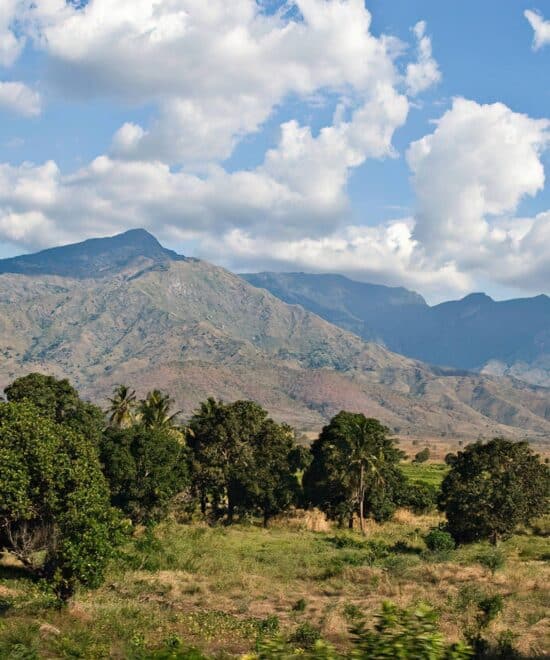
Beyond wildlife, Lake Manyara National Park offers stunning views of the Great Rift Valley escarpment, dense forests, and open grasslands that create a perfect setting for photography and nature exploration. Travelers visiting Lake Manyara National Park can enjoy peaceful moments by the lake, observe birds in their natural habitats, and witness unforgettable wildlife interactions. The accessibility and diverse ecosystems of Lake Manyara National Park make it suitable for both short visits and extended safari adventures.
Plan Your Visit to Lake Manyara National Park
Planning a visit to Lake Manyara National Park is exciting because Lake Manyara National Park is compact and easy to explore, yet offers a rich variety of attractions. Many travelers include Lake Manyara National Park in the Northern Safari Circuit, alongside Serengeti, Ngorongoro Crater, and Tarangire, making Lake Manyara National Park a convenient stop for multi-day safari trips across northern Tanzania.
A well-planned visit to Lake Manyara National Park allows travelers to experience the park’s most iconic wildlife, including tree-climbing lions and large flocks of flamingos. Visitors to Lake Manyara National Park can also enjoy activities such as birdwatching, guided nature walks, and cultural tours to nearby Maasai villages. Depending on individual interests, a half-day or full-day safari in Lake Manyara National Park can offer unforgettable moments and exceptional photographic opportunities.
In addition, Lake Manyara National Park provides a peaceful and less crowded safari experience compared to larger parks, making it ideal for travelers seeking a relaxed environment. The park’s unique ecosystems, ranging from forested areas to open plains, allow visitors to experience different habitats within a short period of time. This makes Lake Manyara National Park a perfect destination for those who want a diverse safari without traveling long distances.
Visitors should consider transportation options, accommodation choices, and seasonal variations to make the most of their trip to Lake Manyara National Park. Early planning for Lake Manyara National Park ensures availability in popular lodges and campsites and helps avoid crowds during peak tourist seasons. A carefully organized visit to Lake Manyara National Park guarantees a memorable and immersive safari experience filled with wildlife, scenery, and adventure.
Key Highlights:
Key Highlights:
Lake Manyara National Park may be small in size, but it offers several standout experiences that make it a must-visit destination. One of the park’s most remarkable attractions is the tree-climbing lions, a rare behavior where lions rest in acacia trees, often surprising visitors who expect them only on the ground.
The park is also famous for its birdlife, with more than 400 species recorded, including flamingos, pelicans, kingfishers, and storks. Seasonal migrations of flamingos create spectacular pink landscapes along the lake shores, making Lake Manyara a paradise for birdwatchers and photographers alike.
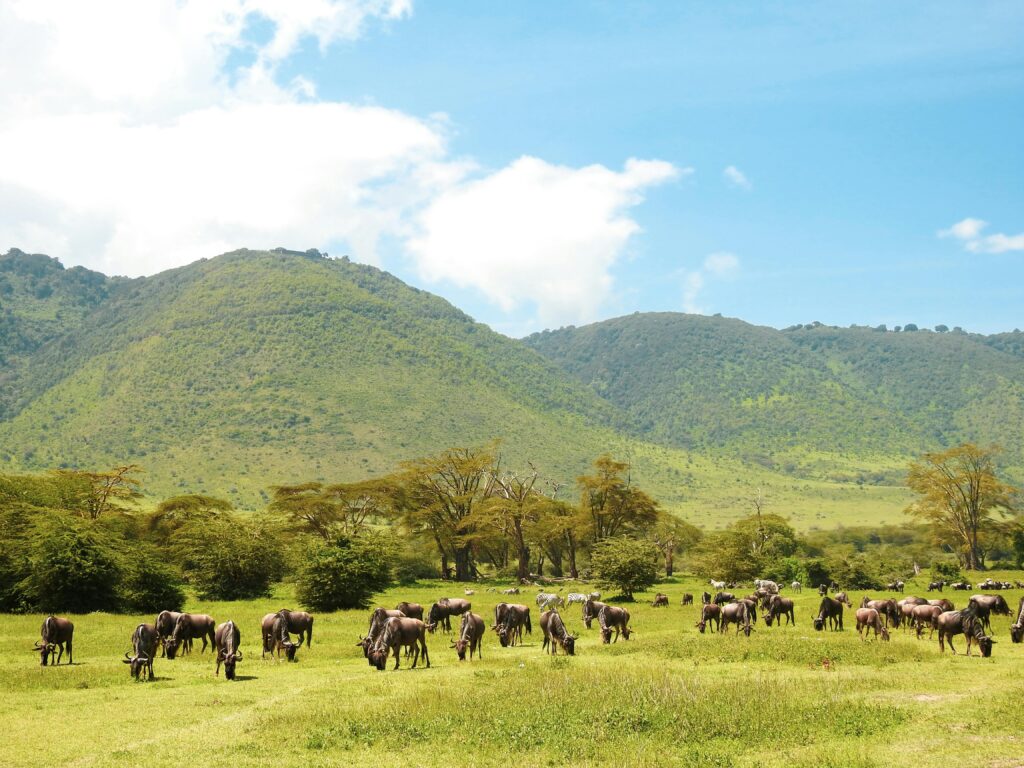
In addition, the park is rich in other wildlife, including elephants, giraffes, buffaloes, zebras, hippos, and numerous primate species. The lush forest, open savannah, and alkaline lake shores combine to create a visually stunning environment, offering excellent game-viewing opportunities. These highlights ensure that visitors of all ages and interests leave with unforgettable memories.
Location & Map
Lake Manyara National Park is situated in northern Tanzania, at the base of the Great Rift Valley escarpment. It is approximately 126 km southwest of Arusha, making it easily accessible by road for travelers coming from major cities or nearby safari destinations. The park’s compact size allows for easier exploration compared to larger parks like Serengeti.
The park covers roughly 330 km², with Lake Manyara itself occupying a large portion of the area. Its diverse landscapes range from alkaline lake shores and open plains to dense groundwater forests, which support a wide variety of plant and animal life.
Visitors will find the park’s layout relatively easy to navigate, with clearly marked tracks leading to the main wildlife viewing areas, scenic viewpoints, and cultural sites. The location also provides excellent views of the surrounding Rift Valley escarpments, adding a dramatic backdrop to safari adventures.
About the Map:
The map of Tanzania Tarangire National Park helps visitors understand the layout of the park, including key areas such as the Tarangire River, wildlife hotspots, entrance gates, and major safari routes.
By using the map, visitors can plan their game drives more effectively and maximize their chances of seeing wildlife. It also highlights different habitats within the park, which support various animal species.
Wildlife & Nature
Mammals
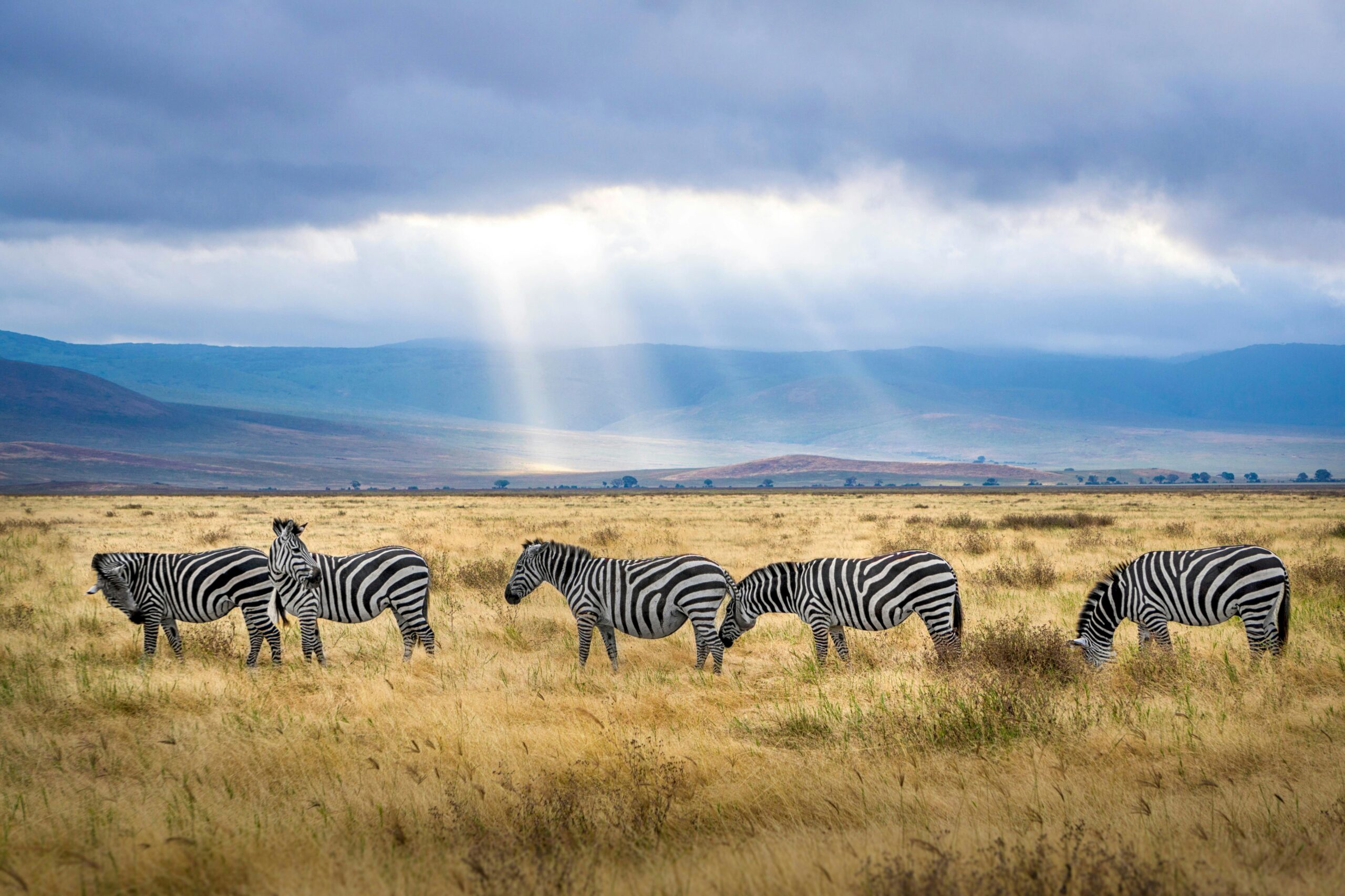
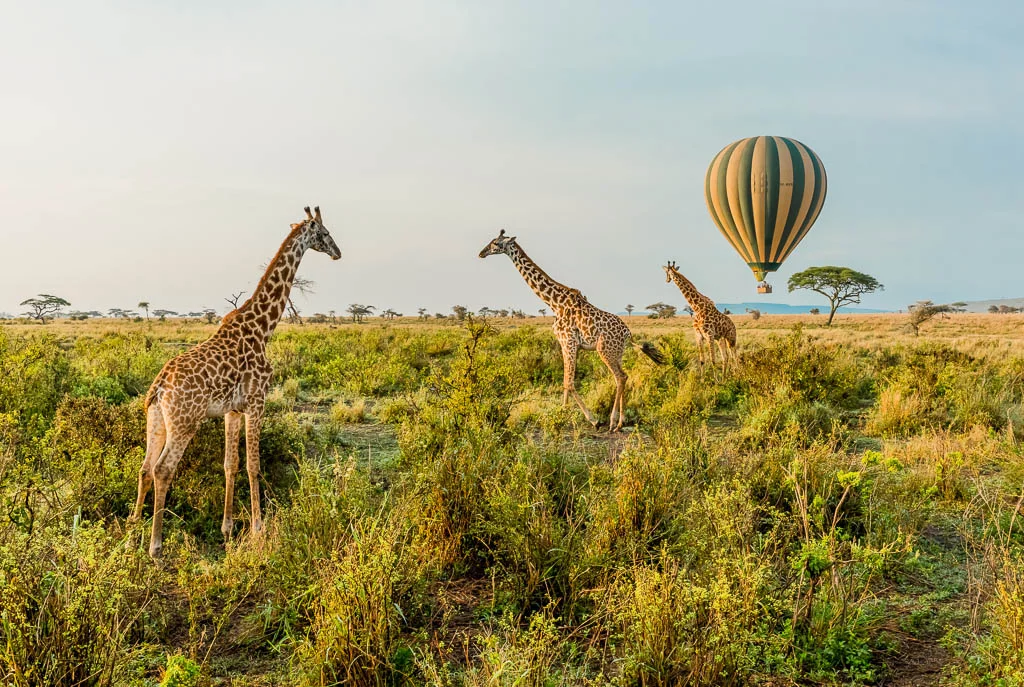
Tanzania Lake Manyara National Park hosts a variety of iconic African mammals despite its small size. Visitors are likely to encounter elephants roaming the open plains, buffaloes grazing near the forest edges, and giraffes browsing the acacia trees. The park is especially known for tree-climbing lions, offering unique photo opportunities.
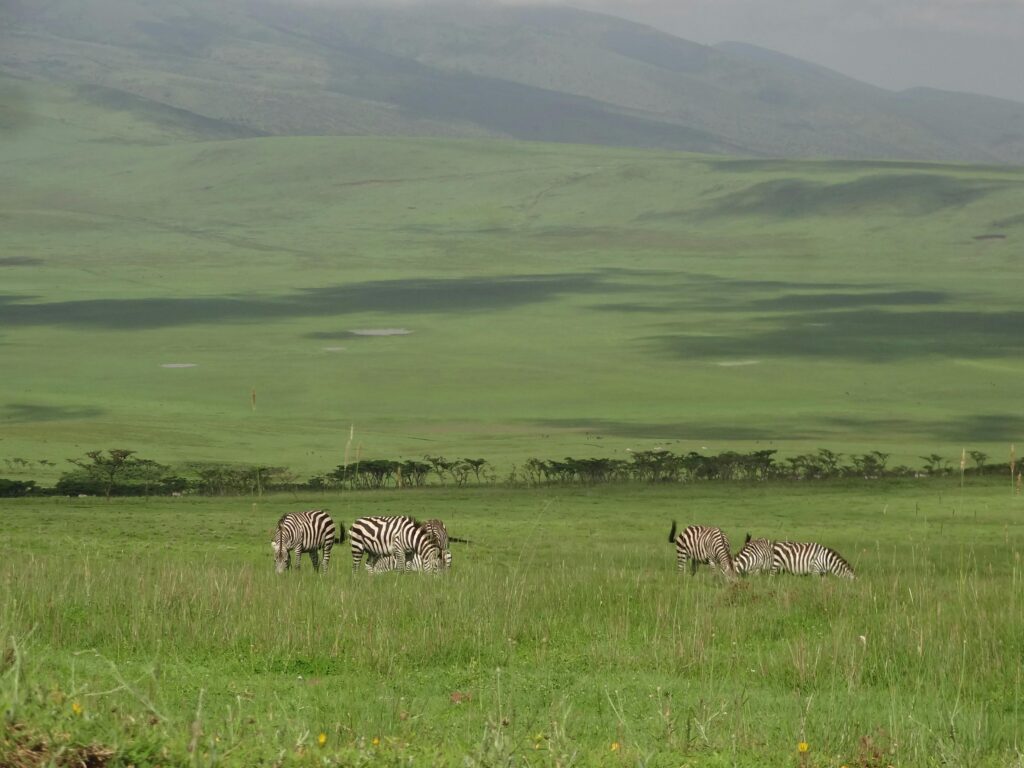
Other mammals include zebras, hippos, warthogs, baboons, and blue monkeys, providing a well-rounded safari experience for wildlife enthusiasts. Seasonal movements and water availability influence animal distribution, so early morning and late afternoon drives often yield the best sightings.
The diversity of mammals, combined with the park’s compact layout, allows travelers to see a variety of species in a short amount of time, making Lake Manyara ideal for first-time safari-goers.
Birds
Tanzania Lake Manyara is a birdwatcher’s paradise, hosting over 400 species of birds, both resident and migratory. Flamingos are the park’s most famous attraction, covering the lake in a stunning pink display during the wet season. Other common birds include pelicans, storks, cormorants, kingfishers, and hornbills.
The variety of habitats – forests, lake shores, and open plains – supports diverse birdlife, from wading birds and waterfowl to forest dwellers. Birdwatching tours are available for enthusiasts, often led by guides who help identify rare species and nesting sites.
Visitors can enjoy photography, bird identification, and simply observing birds in their natural habitat, which adds a rich dimension to the safari experience in Lake Manyara.
Scenic Landscapes
Lake Manyara National Park’s landscapes are breathtaking and varied, providing a picturesque backdrop for wildlife adventures. The park features lush groundwater forests, open savannah plains, acacia woodlands, and the alkaline lake itself, which attracts a wide range of wildlife.
The Great Rift Valley escarpment forms a dramatic backdrop, visible from many parts of the park. This unique geological formation not only enhances the scenery but also supports different microclimates and ecosystems. Visitors can enjoy panoramic views, tranquil lake scenes, and forested tracks all within a single safari experience.
Photography, nature walks, and quiet observation are highly rewarding in Lake Manyara due to its combination of vibrant wildlife and visually stunning landscapes.
Safari Activities – Top Things to Do in Tanzania Serengeti National Park
Tanzania Tarangire National Park offers a wide range of safari activities that allow visitors to explore the park in different and exciting ways. Each activity provides a unique perspective of the park’s wildlife and natural beauty.
Game drives are the most popular activity, allowing travelers to explore the park’s diverse habitats and encounter elephants, lions, giraffes, and buffaloes. Early morning and late afternoon drives offer the best wildlife viewing opportunities.
Birdwatching tours provide close encounters with hundreds of bird species, including flamingos, pelicans, and storks. Guides help identify rare and migratory birds, enhancing the experience for enthusiasts and photographers.
Visitors can also enjoy cultural experiences, visiting Maasai villages near the park to learn about traditional life, crafts, and customs. Walking safaris and photography safaris are available with professional guides for those wanting a more intimate experience.
Some lodges and campsites offer canoeing or boating experiences, depending on water levels, which allow visitors to observe hippos, birds, and lakeside wildlife from a unique perspective.

Best Time to Visit
The best time to visit Lake Manyara National Park depends on your priorities. The dry season (June to October) is ideal for wildlife viewing, as animals congregate near the lake and water sources, making sightings easier.
The wet season (November to May) transforms the park into a lush green paradise, attracting migratory birds and creating spectacular lake vistas. This period is perfect for birdwatching, photography, and enjoying the vibrant landscapes.
Visitors should also consider that the park is smaller and more accessible than other northern parks, making it possible to enjoy wildlife experiences year-round. Planning according to weather, wildlife movements, and personal interests ensures a rewarding safari experience.
Travel & Accommodation – How to Get There & Where to Stay
Access
Lake Manyara National Park is easily reachable by road from major northern safari hubs. Arusha is approximately 126 km away, with a travel time of 2–3 hours by car. Most safari operators include the park as part of a multi-day Northern Safari Circuit.
For quicker access, domestic flights are available to Lake Manyara Airstrip, located near the park’s main entrance. From there, transfers to lodges and campsites are usually arranged by safari operators, making the journey smooth and convenient.
The park’s accessibility allows visitors to combine Lake Manyara with Serengeti, Ngorongoro, and Tarangire, creating a rich and varied safari itinerary in northern Tanzania.
Accommodation
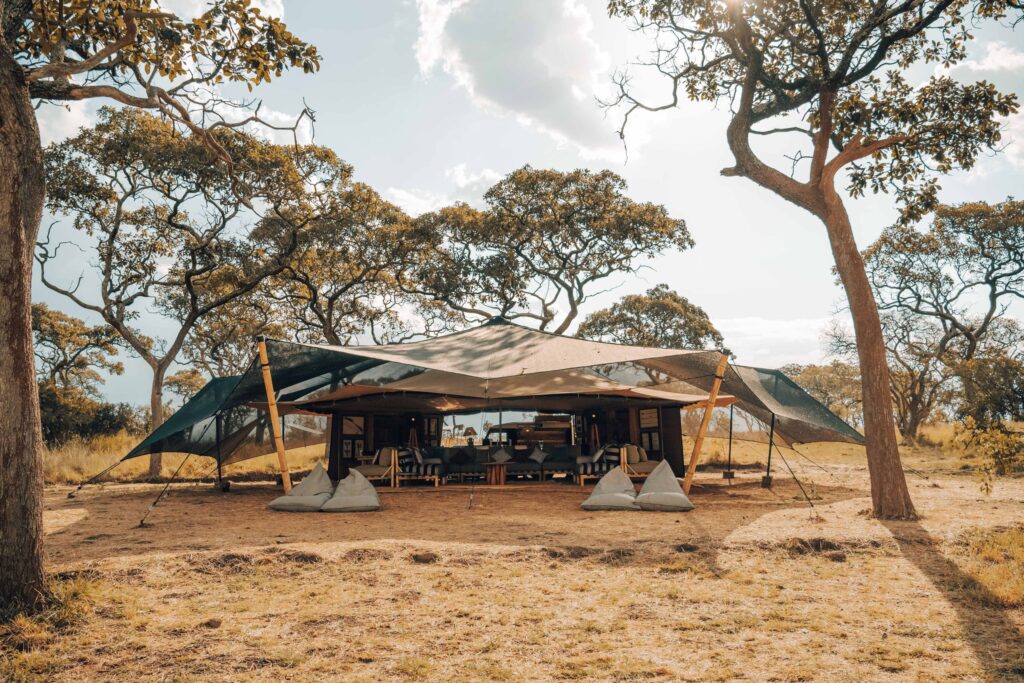
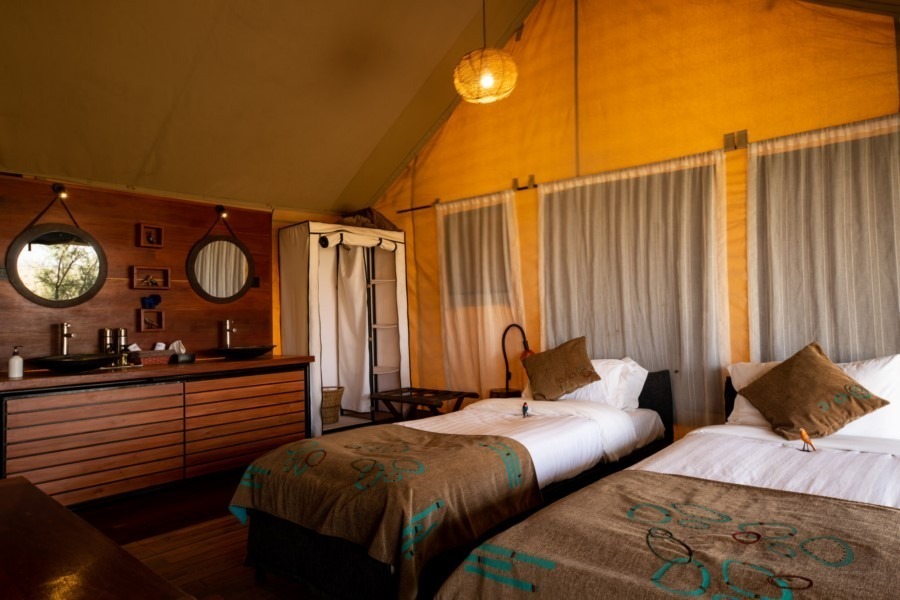
Accommodation options around Lake Manyara cater to different preferences and budgets. Luxury lodges offer upscale amenities, private balconies with scenic views, and guided safari experiences.
Mid-range tented camps provide an authentic safari experience with comfortable tents, communal areas, and close proximity to wildlife. Budget campsites are also available for travelers who want to experience nature more closely and economically.
Many lodges and camps provide additional services, including guided tours, meals, and photography support, ensuring a seamless safari experience. Staying near the park allows early morning drives, maximizing wildlife encounters and photographic opportunities.
Lake Manyara National Park offers a compact yet unforgettable safari experience. From tree-climbing lions to vast flamingo gatherings, lush forests, and striking escarpment views, the park guarantees diverse wildlife encounters and scenic beauty.
Whether you are a first-time safari traveler or a seasoned adventurer, Lake Manyara delivers unique experiences in a short timeframe. Book your Lake Manyara safari today and explore one of Tanzania’s most remarkable natural treasures, where wildlife, landscapes, and adventure meet.
Book Your Lake Manyara Safari Now.

Honey Badger (Mellivora capensis) – Africa’s Fearless Survivor
Gazelle vs. Antelope