
TANZANIA NATIONAL PARK
Discover Tanzania National Parks
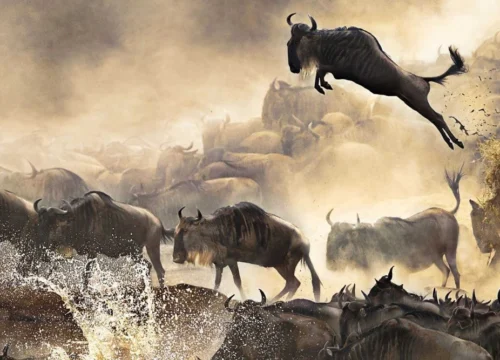
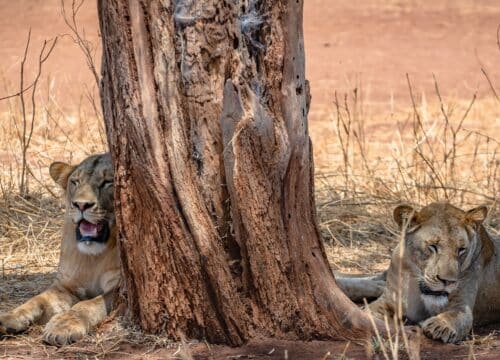
The Serengeti National Park is one of the most famous safari destinations in the world, known for the Great Wildebeest Migration where millions of animals move across the plains in search of fresh grazing. This natural wonder is considered one of the most spectacular wildlife events on the planet and offers excellent opportunities for game drives and photography.
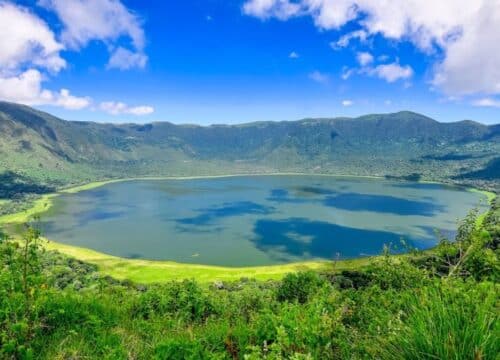
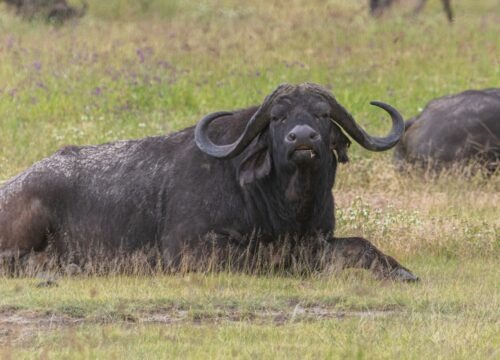
The Ngorongoro Conservation Area is another UNESCO World Heritage Site, famous for its large volcanic caldera which hosts a dense population of wildlife including the Big Five: lions, elephants, rhinos, leopards, and buffaloes. The crater provides a unique setting where animals and humans coexist in a protected environment.
Tarangire National Park is well known for its large elephant herds and iconic baobab trees. During the dry season, animals gather around the Tarangire River, making it one of the best places for game viewing in Tanzania. Bird lovers also enjoy Tarangire due to its rich bird species diversity.
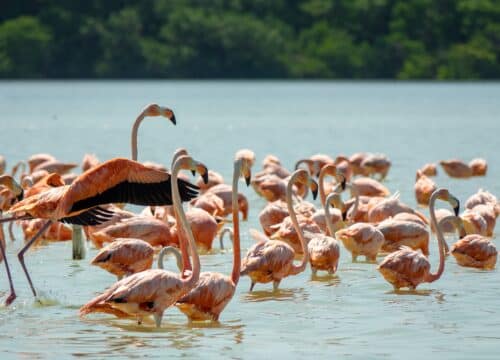
Lake Manyara National Park offers a completely different experience with its scenic lake, tree-climbing lions, flamingos, and lush groundwater forest. It is a compact park but very rich in biodiversity, making it ideal for short but rewarding safari trips.
Mikumi National Park, located near Dar es Salaam, is one of the most accessible parks in Tanzania. It features open grasslands similar to the Serengeti and is home to lions, giraffes, zebras, hippos, and many other animals, making it perfect for quick safari getaways.
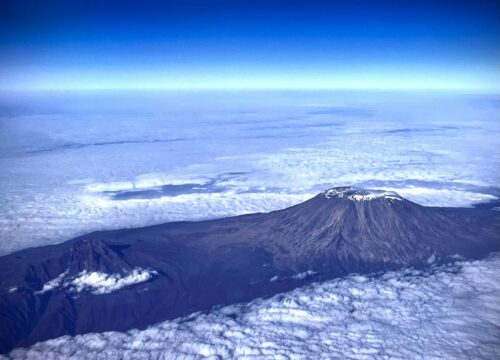
Mount Kilimanjaro National Park is home to Africa’s highest mountain, Mount Kilimanjaro. It attracts climbers and adventurers from all over the world who come to experience its snow-capped peak and diverse ecological zones ranging from tropical forests to alpine deserts. It is one of Tanzania’s most iconic natural landmarks.
Beyond wildlife, Tanzania National Parks also provide cultural experiences where visitors can interact with local communities such as the Maasai people, learn about their traditions, and understand their deep connection with nature. This adds a cultural dimension to the safari experience, making it even more meaningful.
Tourism in Tanzania plays a major role in conservation efforts. Revenue generated from park visits is used to protect wildlife, maintain ecosystems, and support local communities. This ensures that future generations will continue to enjoy the beauty of these natural treasures.
Whether you are interested in photography, adventure, luxury safaris, or budget-friendly tours, Tanzania National Parks offer something for everyone. With professional guides, well-organized safari routes, and breathtaking scenery, every moment spent in these parks becomes a lifelong memory.
Tanzania stands as one of the best safari destinations in Africa. Its national parks are not just tourist attractions but living ecosystems full of life, beauty, and adventure. Exploring Tanzania National Parks is truly a journey into the heart of wild Africa.
Explore Tanzania Safari by
Month & Season
Mid-summer in Tanzania
The rainy season begins to ease in January, bringing warm temperatures and mostly clear skies with occasional showers. The landscape is lush and green, making it a beautiful time to visit. Wildlife is active across many parks, and animals are easier to spot due to the fresh vegetation.
In the southern plains of the Serengeti National Park and Ndutu region near the Ngorongoro Crater, the wildebeest calving season begins, attracting predators and offering dramatic wildlife action.
- Sunny, occasional rain
- 25°C Average temperature
- Wildebeest calving season
- High season
Peak summer in Tanzania
February is one of the hottest months of the year, with mostly dry conditions and occasional short rains. The landscape remains green, and wildlife viewing is excellent.
The calving season continues in the southern Serengeti, where thousands of wildebeest calves are born daily, making it one of the best times to witness predator-prey interactions.
- Hot and sunny
- 27°C Average temperature
- Calving season continues
- High season
End of dry season
March marks the transition into the rainy season. Temperatures remain warm, but rainfall begins to increase gradually. The parks are less crowded, offering a more private safari experience.
Wildlife is still abundant, though some animals begin moving as the rains approach. It’s a great time for photography with dramatic skies and green landscapes.
- Warm with increasing rain
- 26°C Average temperature
- Fewer crowds
- Shoulder season
Peak rainy season
April is one of the wettest months in Tanzania, with heavy rains transforming the landscape into a lush paradise. Some roads may become difficult to access, but the scenery is stunning.
This is the low season, meaning fewer tourists and lower prices. Birdwatching is exceptional during this time.
- Heavy rainfall
- 25°C Average temperature
- Lush green landscapes
- Low season
End of rainy season
Rainfall begins to decrease in May, though the landscape remains green and vibrant. Wildlife viewing starts improving as animals gather again.
It’s still a quieter time to visit, ideal for travelers looking for peaceful safaris and better deals.
- Light rain, improving weather
- 24°C Average temperature
- Fewer tourists
- Low season
Start of dry season
June marks the beginning of the dry season, with cooler temperatures and clear skies. Vegetation begins to thin, making wildlife easier to spot.
The Great Migration starts moving north through the Serengeti.
- Cool and dry
- 23°C Average temperature
- Migration movement begins
- High season begins
Cool dry season
July offers excellent safari conditions with dry weather and great wildlife visibility.
The Great Migration continues moving north, and river crossings may begin, creating dramatic scenes.
- Dry and sunny
- 22°C Average temperature
- Migration in Serengeti
- Peak season
Peak safari season
August is one of the best months for a Tanzania Safari. Wildlife viewing is at its peak, and the weather is dry and pleasant.
River crossings in northern Serengeti provide thrilling wildlife action.
- Dry and clear
- 23°C Average temperature
- River crossings
- Peak season
Late dry season
September continues with excellent safari conditions and fewer crowds compared to July and August.
Wildlife is still concentrated around water sources, making it easy to spot animals.
- Warm and dry
- 24°C Average temperature
- Great wildlife viewing
- High season
End of dry season
October is warm and dry, though short rains may begin toward the end of the month.
Animals are still easy to find, and the parks are less crowded.
- Warm, slight rain
- 25°C Average temperature
- Good wildlife viewing
- Shoulder season
Short rainy season
November brings short rains that refresh the landscape. The parks become green again, and birdlife increases.
It’s a quieter time with fewer tourists, offering a peaceful safari experience.
- Light rain showers
- 26°C Average temperature
- Green landscapes
- Low season
Start of summer season
December is warm with a mix of sunshine and short rains. The landscape is vibrant and full of life.
The Great Migration returns to the southern Serengeti, preparing for the calving season.
- Warm and partly rainy
- 27°C Average temperature
- Migration returns south
- High season
💡 Tip: For mountain lovers, the best time to climb Mount Kilimanjaro is during the dry months (January–March and June–October), when weather conditions are more favorable.
Start Your Tanzania Safari Today
Ready to experience the beauty of Tanzania? From the plains of the Serengeti National Park to the breathtaking Ngorongoro Crater, your dream safari awaits. Contact us today and let us plan your perfect adventure.
Explore Africa
Your Journey is our Passion